
Understanding German Shepherd Body Language: Complete Communication Guide
Master the art of reading your German Shepherd's body language signals, facial expressions, and vocalizations to build a stronger bond and prevent behavioral issues.
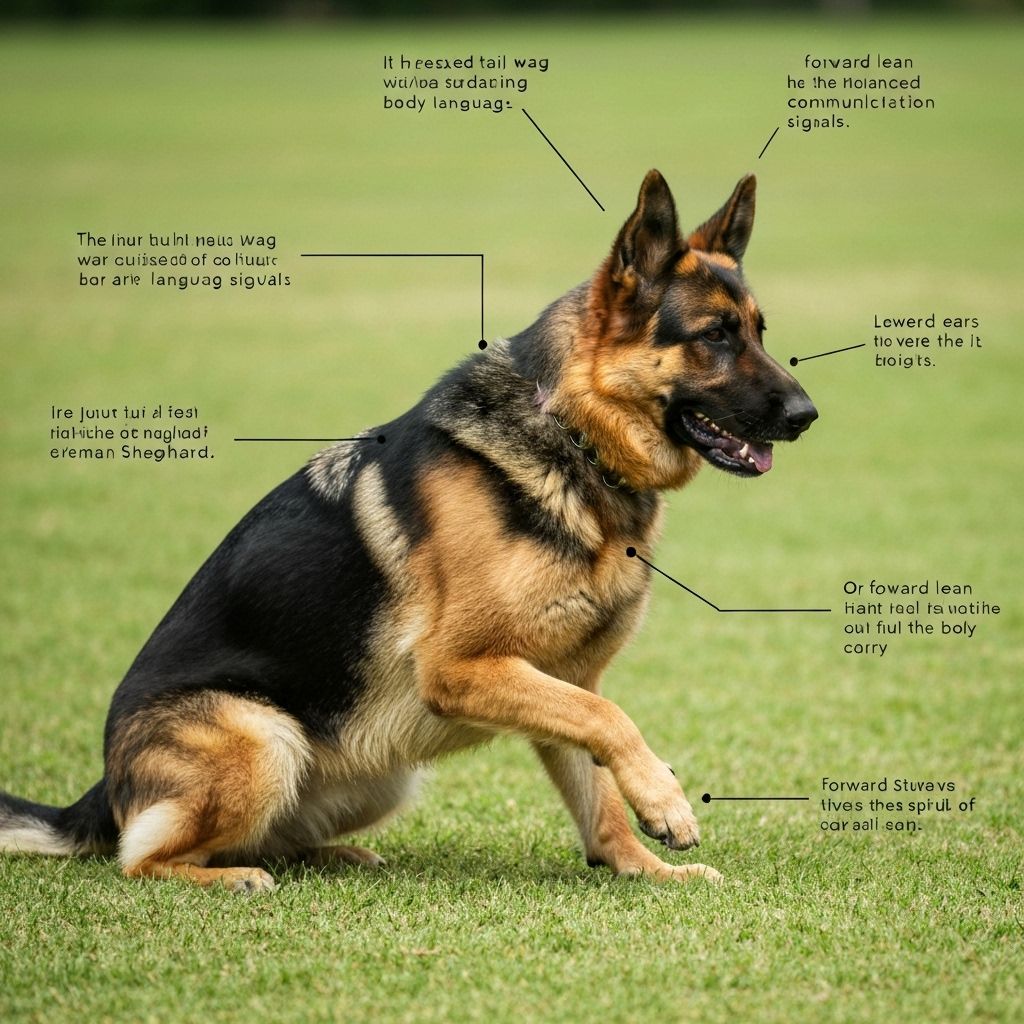
German Shepherds are highly expressive dogs that communicate constantly through body language, facial expressions, and vocalizations. Learning to read these signals is essential for building a strong relationship with your GSD and preventing misunderstandings that can lead to behavioral problems.
Unlike humans who rely primarily on verbal communication, dogs use a complex system of physical signals to express their emotions, intentions, and needs. German Shepherds, being intelligent and sensitive dogs, have particularly nuanced body language that reflects their working dog heritage.
This comprehensive guide will teach you to recognize and interpret the most important body language signals your German Shepherd uses, helping you respond appropriately to their emotional state and strengthen your bond.
Why Understanding Body Language Matters
Reading your German Shepherd's body language isn't just about curiosity—it's a critical skill that impacts your dog's wellbeing and your relationship. Here's why it matters:
Key Benefits
- •Prevent aggression: Recognize warning signs before situations escalate
- •Reduce stress: Identify when your dog is uncomfortable and needs help
- •Improve training: Understand when your dog is ready to learn vs. overwhelmed
- •Strengthen bonds: Respond appropriately to your dog's emotional needs
- •Detect health issues: Notice changes in posture or movement that indicate pain
Tail Position and Movement
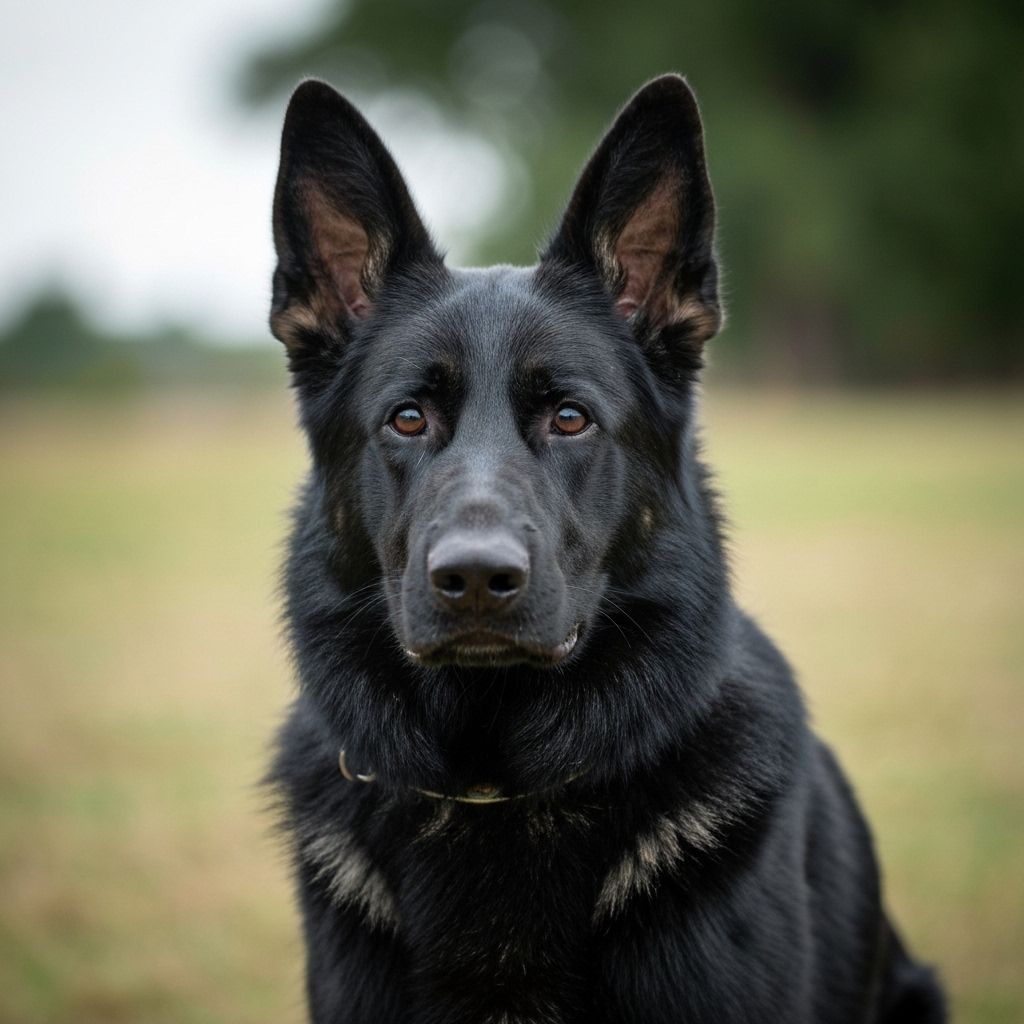
The tail is one of the most expressive parts of a German Shepherd's body. However, tail wagging doesn't always mean happiness—the position, speed, and stiffness all communicate different emotions.
Tail Position Guide
High and Stiff
Meaning: Alert, aroused, potentially aggressive or dominant. Your GSD is assessing a situation and may be preparing to act. Watch for other warning signs.
Neutral (Level with Back)
Meaning: Relaxed and calm. Your dog is comfortable and at ease in their environment. This is the baseline position for a content GSD.
Low but Not Tucked
Meaning: Uncertain or slightly worried. Your dog is cautious but not terrified. They're assessing whether a situation is safe.
Tucked Between Legs
Meaning: Fearful, anxious, or submissive. Your GSD is trying to make themselves smaller and less threatening. They need reassurance and space.
Broad, Loose Wag
Meaning: Happy and friendly. The whole rear end may wiggle. This is genuine joy and excitement, often seen when greeting loved ones.
Fast, Stiff Wag
Meaning: High arousal, potentially aggressive. Despite the wagging, this signals tension and should be taken seriously. Give your dog space.
Pro Tip: Always consider tail signals in context with other body language. A wagging tail with tense body posture sends a very different message than a wagging tail with relaxed, loose movements.
Ear Positions
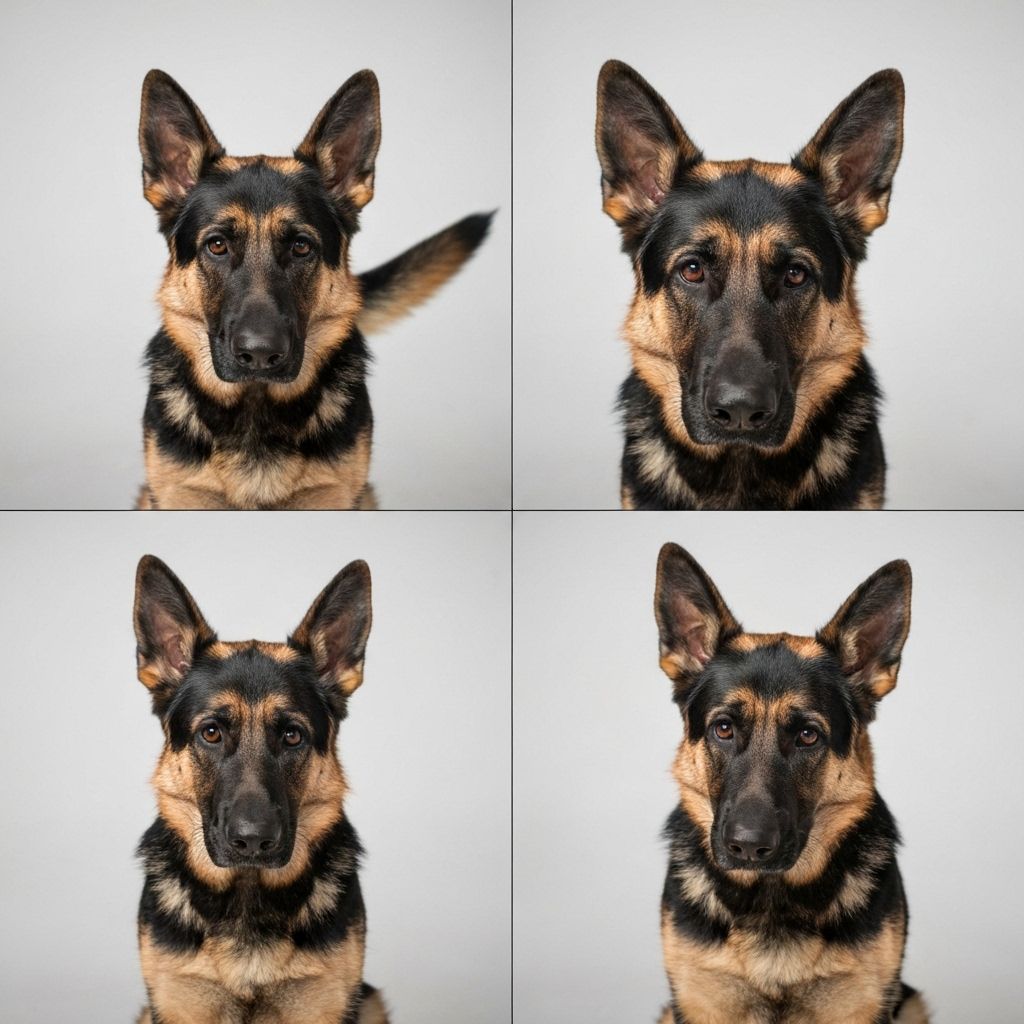
German Shepherds have large, mobile ears that are incredibly expressive. Ear position reveals your dog's emotional state and what they're paying attention to.
Common Ear Signals
Forward and Erect
Alert and interested. Your GSD is focused on something and gathering information. This is normal curiosity and attentiveness.
Relaxed and Slightly Back
Calm and content. Your dog is comfortable and not on high alert. This is the position you'll see during relaxed activities.
Pinned Back Against Head
Fearful, submissive, or appeasing. Your dog is trying to appear non-threatening. They may also pin ears back when being affectionate or playful.
One Ear Forward, One Back
Divided attention or uncertainty. Your GSD is monitoring two things at once or trying to decide how to respond to a situation.
Rapidly Moving/Swiveling
Processing multiple sounds or stimuli. Your dog is actively gathering information from their environment and may be slightly on edge.
Facial Expressions
German Shepherds have expressive faces that communicate a wide range of emotions. Learning to read subtle facial cues helps you understand your dog's internal state.
Eye Contact and Expression
Soft, Relaxed Eyes
Content and trusting. Your dog feels safe and comfortable. This is the look of a happy, well-adjusted GSD.
Hard Stare
Challenge or threat. Direct, unblinking eye contact can signal dominance or aggression. This requires immediate attention and de-escalation.
Whale Eye (Showing Whites)
Stress, fear, or discomfort. When you can see the whites of your dog's eyes, they're worried about something and may need space or reassurance.
Squinting or Blinking
Appeasement or submission. Your dog is trying to appear non-threatening. Slow blinks can also indicate affection and trust.
Dilated Pupils
High arousal, excitement, or fear. Large pupils indicate your dog's sympathetic nervous system is activated. Context determines whether this is positive or negative.
Mouth and Lip Signals
Relaxed, Slightly Open Mouth
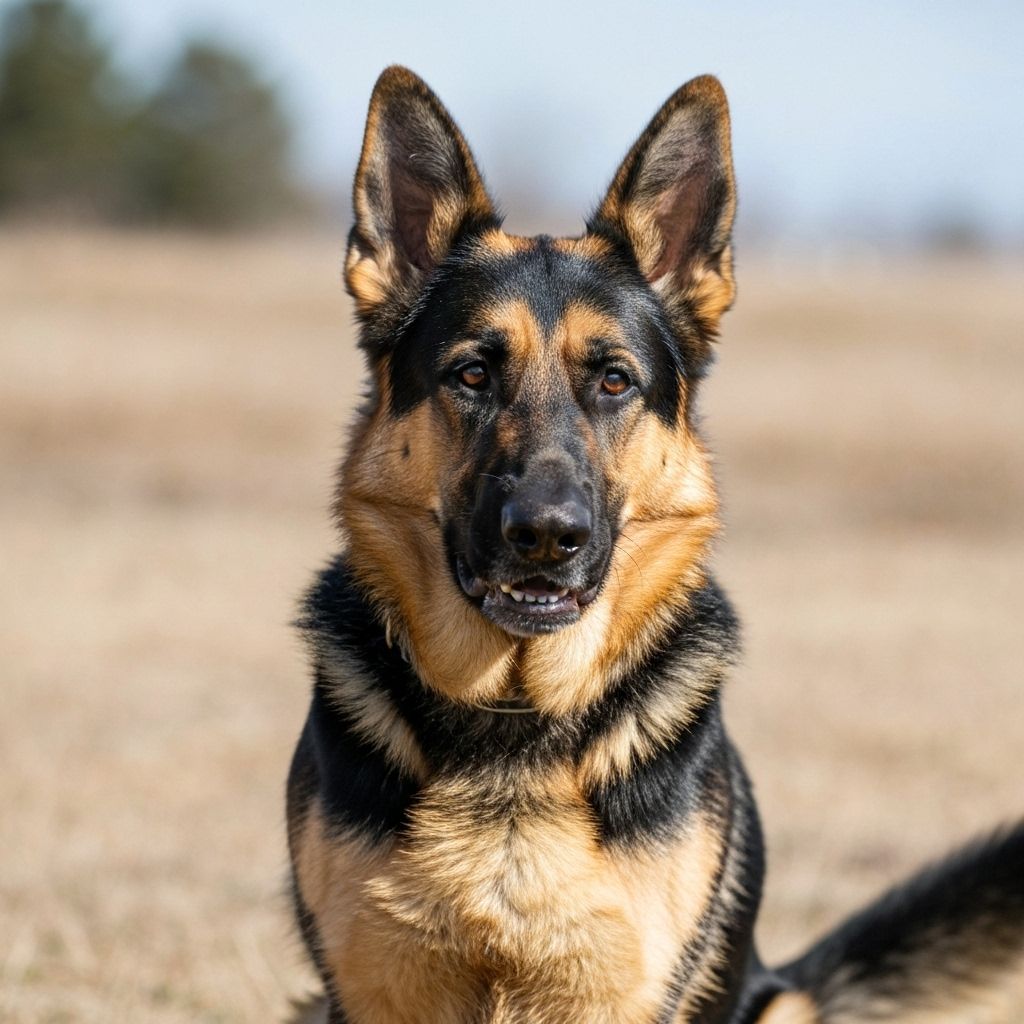
Happy and comfortable. Often called a "doggy smile," this relaxed expression indicates contentment. The tongue may hang out loosely.
Closed Mouth, Tense Jaw
Alert or stressed. Your dog is tense and focused. Combined with other warning signs, this can indicate potential aggression.
Lip Licking or Nose Licking
Stress signal or appeasement gesture. Your dog is uncomfortable and trying to calm themselves or communicate non-aggression. Not related to food.
Yawning
Stress relief or calming signal. While dogs do yawn when tired, frequent yawning in stressful situations indicates anxiety and a need to decompress.
Snarl (Showing Teeth)
Warning or defensive threat. Your dog is communicating they're uncomfortable and may bite if pushed further. Respect this warning and give space.
Panting
Can indicate heat, exertion, or stress. Excessive panting without physical activity suggests anxiety or discomfort. Consider the context carefully.
Body Posture and Position
Your German Shepherd's overall body posture provides crucial context for interpreting other signals. The way they hold their body reveals their confidence level and intentions.
Key Posture Signals
Relaxed and Loose
Weight evenly distributed, muscles soft, movements fluid. Your dog is comfortable and at ease. This is the ideal state for training and bonding.
Stiff and Tense
Muscles rigid, body frozen, weight forward. Your dog is on high alert and may be preparing to act aggressively or defensively. Proceed with caution.
Leaning Forward
Confident, assertive, or potentially aggressive. Your GSD is moving toward something with purpose. Context determines whether this is friendly interest or a threat.
Leaning Back or Cowering
Fearful or submissive. Your dog is trying to create distance or make themselves smaller. They need reassurance and should not be forced to approach what scares them.
Play Bow
Front end down, rear end up, tail wagging. This is an invitation to play and signals friendly intentions. It's one of the clearest positive signals dogs use.
Raised Hackles (Piloerection)
Hair standing up along the spine. This indicates high arousal but not necessarily aggression. Your dog may be excited, fearful, or overstimulated. Look at other signals for context.
Rolling Over/Exposing Belly
Can indicate submission, trust, or a request for belly rubs. Context matters—a tense dog showing their belly is submitting, while a relaxed dog wants affection.
Stress and Calming Signals
Dogs use specific behaviors called "calming signals" to reduce tension in themselves and others. Recognizing these helps you identify when your German Shepherd needs support.
Common Calming Signals
- •Turning head away: Avoiding direct confrontation or showing non-aggression
- •Sniffing the ground: Displacement behavior to reduce stress or buy time
- •Moving slowly: Trying to appear non-threatening and calm the situation
- •Sitting or lying down: Attempting to de-escalate tension by appearing relaxed
- •Shaking off: Releasing tension after a stressful event, like shaking off water
- •Scratching: Displacement behavior when uncertain or mildly stressed
Important: When you see multiple calming signals together, your German Shepherd is telling you they're uncomfortable. Respect these signals by reducing pressure, giving space, or removing them from the stressful situation.
Vocalizations and What They Mean
While body language is primary, German Shepherds also use various vocalizations to communicate. Understanding these sounds adds another layer to your communication.
Barking
Alert bark: Sharp, repetitive barks signal something unusual.
Play bark: Higher-pitched, often with pauses between barks.
Demand bark: Persistent barking to get attention or resources.
Fear bark: Lower-pitched, may include growling undertones.
Growling
Warning growl: Low, rumbling sound indicating discomfort or threat.
Play growl: Higher-pitched, accompanied by play signals and loose body.
Defensive growl: Intense, may escalate if the threat doesn't back off.
Whining
Indicates need, discomfort, or excitement. Can signal anxiety, desire for attention, or anticipation of something positive. Context and body language clarify the meaning.
Howling
Communication over distance, response to sirens, or expression of loneliness. Some GSDs howl when excited or to get attention.
Sighing
Deep exhale indicating contentment and relaxation. Your dog is settling down and comfortable. This is a positive sign of a happy, secure GSD.
Common Misinterpretations to Avoid
Many people misread dog body language, leading to dangerous situations or missed opportunities to help their dog. Here are the most common mistakes:
Dangerous Assumptions
- ✗"A wagging tail means a friendly dog" – Not true. Stiff, high wags can signal aggression.
- ✗"My dog is smiling at me" – Showing teeth with tense body is a warning, not a smile.
- ✗"They're just playing" – Play should include frequent role reversals and breaks. One-sided "play" may be bullying.
- ✗"My dog is being stubborn" – Often, the dog is stressed, confused, or in pain, not defiant.
- ✗"They're fine with it" – Tolerating something (frozen, tense) is not the same as enjoying it.
Putting It All Together: Reading Context
The key to accurately reading body language is considering all signals together in context. A single signal can mean different things depending on what else is happening.
Context Checklist
- •Environment: What's happening around your dog? New place, familiar territory, crowded, quiet?
- •Recent events: What just happened? Did something startle them? Are they tired or energized?
- •Multiple signals: Look at tail, ears, eyes, mouth, and body posture together, not individually.
- •Your dog's baseline: Know what's normal for your individual GSD to spot changes.
- •Changes over time: Is the behavior escalating, de-escalating, or staying the same?
For example, a dog with a wagging tail, relaxed ears, soft eyes, and loose body is clearly happy. But a dog with a wagging tail, forward ears, hard stare, and stiff body is aroused and potentially aggressive—a very different message despite the wagging tail.
Practical Applications: Using Body Language Knowledge
Understanding body language isn't just academic—it has practical applications that improve your daily life with your German Shepherd.
During Training
Watch for stress signals that indicate your dog needs a break. If you see lip licking, yawning, or avoidance behaviors, your training session is too long or too difficult. End on a positive note and try again later.
Conversely, a dog with soft eyes, relaxed body, and engaged attention is ready to learn. This is the ideal state for introducing new concepts.
At the Vet
Many dogs show stress signals at the vet. Recognizing these helps you advocate for your dog. Ask the vet to go slower, use treats, or take breaks if your GSD is showing multiple stress signals.
Some stress is normal, but extreme fear (trembling, trying to escape, aggressive displays) indicates your dog needs help building positive associations with vet visits.
Meeting New Dogs
Before allowing dogs to interact, watch their body language. Loose, wiggly bodies with play bows indicate friendly intentions. Stiff bodies, hard stares, or raised hackles suggest the dogs aren't ready to meet.
During interactions, watch for role reversals and frequent breaks. If one dog is always on top or chasing, and the other shows stress signals, intervene and separate them.
With Children
Teach children to recognize when the dog needs space. If your GSD moves away, turns their head, or shows stress signals, the child should stop interacting immediately.
Never force interactions. A dog that tolerates children (frozen, tense) is not the same as a dog that enjoys children (relaxed, seeking interaction). Respect your dog's boundaries.
Detecting Pain or Illness
Changes in body language can indicate health problems. A dog that suddenly becomes less active, holds their body differently, or shows stress signals during normal activities may be in pain.
Watch for: reluctance to move, stiffness, guarding body parts, changes in facial expression, or increased irritability. These warrant a vet visit.
Conclusion
Learning to read your German Shepherd's body language is one of the most valuable skills you can develop as a dog owner. It transforms your relationship from one-way commands to true two-way communication, where you understand and respond to your dog's emotional needs.
Start by observing your dog in different situations and noting their baseline behaviors. Over time, you'll become fluent in your individual GSD's unique communication style. Remember that context is everything—always consider multiple signals together rather than focusing on just one.
Most importantly, respect what your dog is telling you. When they show stress signals, give them space. When they show fear, don't force them to confront it. When they show joy, celebrate with them. This mutual understanding builds trust and strengthens your bond.
Ready to deepen your understanding of German Shepherd behavior?
Explore our comprehensive guides on training, socialization, and building a strong relationship with your GSD.