
Common Health Issues in German Shepherds: Complete Prevention Guide
German Shepherds are magnificent dogs, but like all purebred breeds, they're predisposed to certain health conditions. Understanding these breed-specific health issues and implementing preventive strategies can significantly improve your GSD's quality of life and longevity. This comprehensive guide covers the most common health concerns, early warning signs, and evidence-based prevention methods.
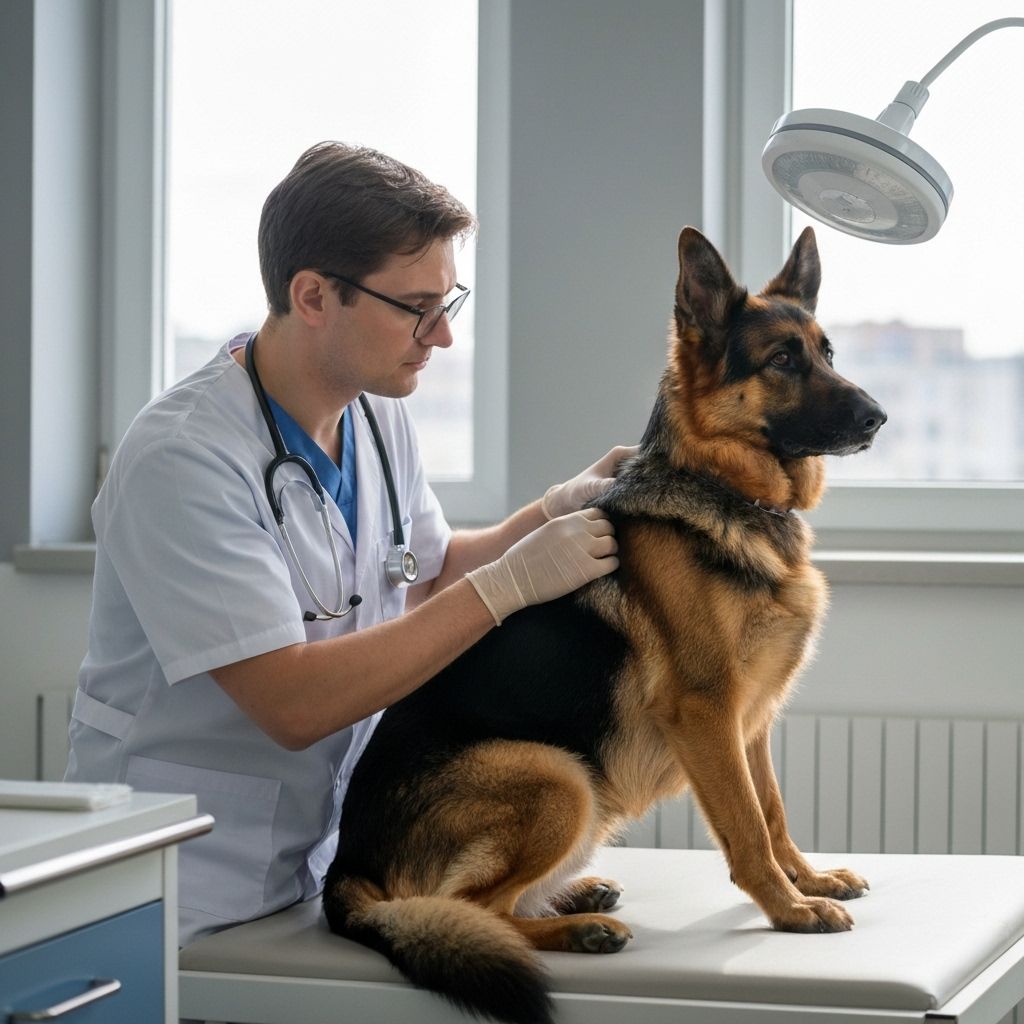
Understanding Breed-Specific Health Risks
German Shepherds have been selectively bred for specific traits over generations, which unfortunately has led to increased susceptibility to certain genetic health conditions. While not every German Shepherd will develop these issues, awareness and proactive care are your best defense.
The good news is that many of these conditions can be managed effectively when caught early, and some can even be prevented through proper breeding practices, nutrition, exercise, and regular veterinary care. Let's explore the most common health concerns and what you can do about them.
💡 Key Insight
Early detection and preventive care can add 2-4 years to your German Shepherd's life expectancy. Regular vet visits and awareness of warning signs are crucial investments in your dog's health.
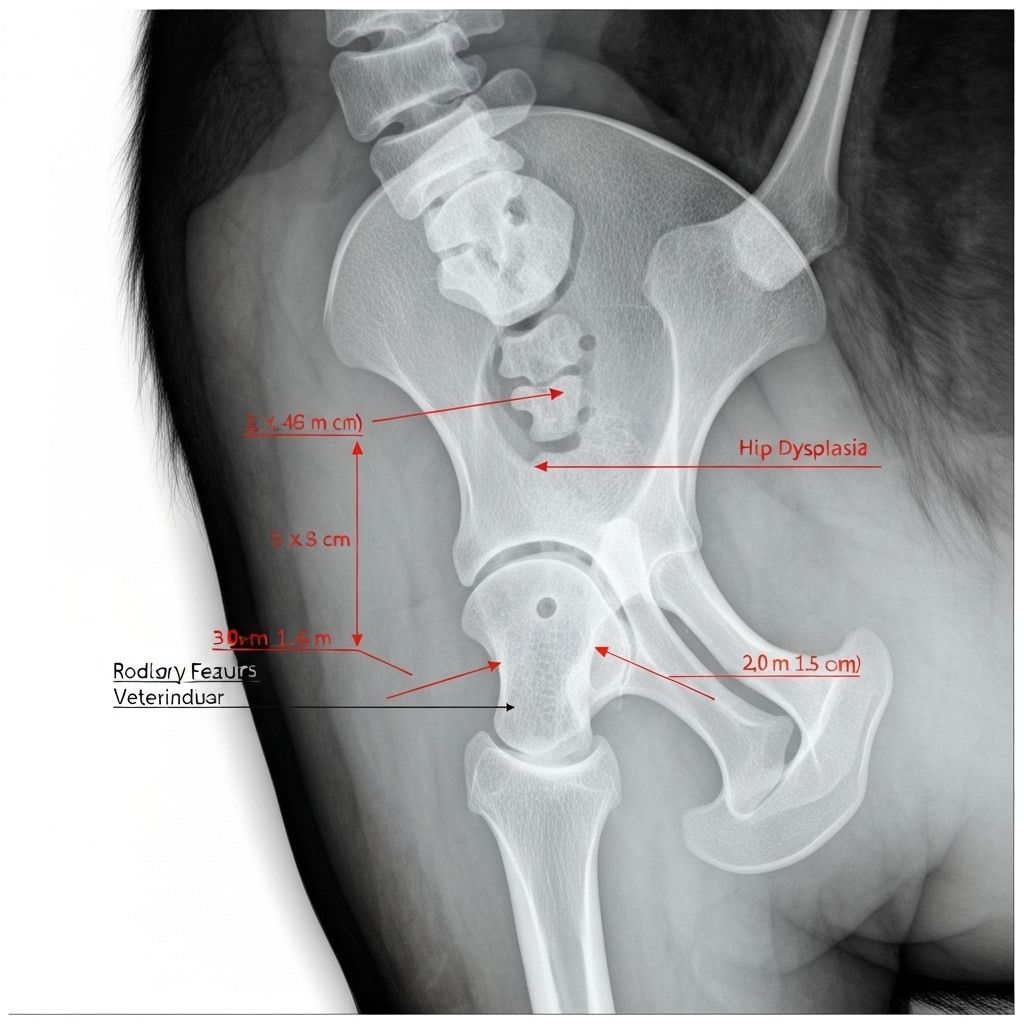
1. Hip Dysplasia: The Most Common Concern
What Is Hip Dysplasia?
Hip dysplasia is a genetic condition where the hip joint doesn't develop properly, causing the ball and socket to rub and grind instead of sliding smoothly. This leads to deterioration over time, pain, and eventually arthritis. Studies show that approximately 19-20% of German Shepherds are affected by hip dysplasia.
Early Warning Signs
- •Difficulty rising from a sitting or lying position
- •Bunny hopping gait when running
- •Decreased activity or reluctance to jump, run, or climb stairs
- •Narrow stance in the hind legs
- •Loss of muscle mass in the hind legs
- •Grating or grinding sounds in the joint during movement
Prevention Strategies
✓ Choose a Responsible Breeder
Always purchase from breeders who perform OFA (Orthopedic Foundation for Animals) or PennHIP evaluations on breeding dogs. Both parents should have good or excellent hip scores.
✓ Maintain Healthy Weight
Excess weight puts additional stress on developing joints. Keep your puppy lean during the growth phase (first 12-18 months) to reduce hip dysplasia risk by up to 50%.
✓ Controlled Exercise
Avoid excessive jumping, running on hard surfaces, and stair climbing during puppyhood. Provide moderate, controlled exercise that builds muscle without stressing developing joints.
✓ Joint Supplements
Consider glucosamine, chondroitin, and omega-3 fatty acids starting around 6-8 months of age. Consult your veterinarian for appropriate dosing.
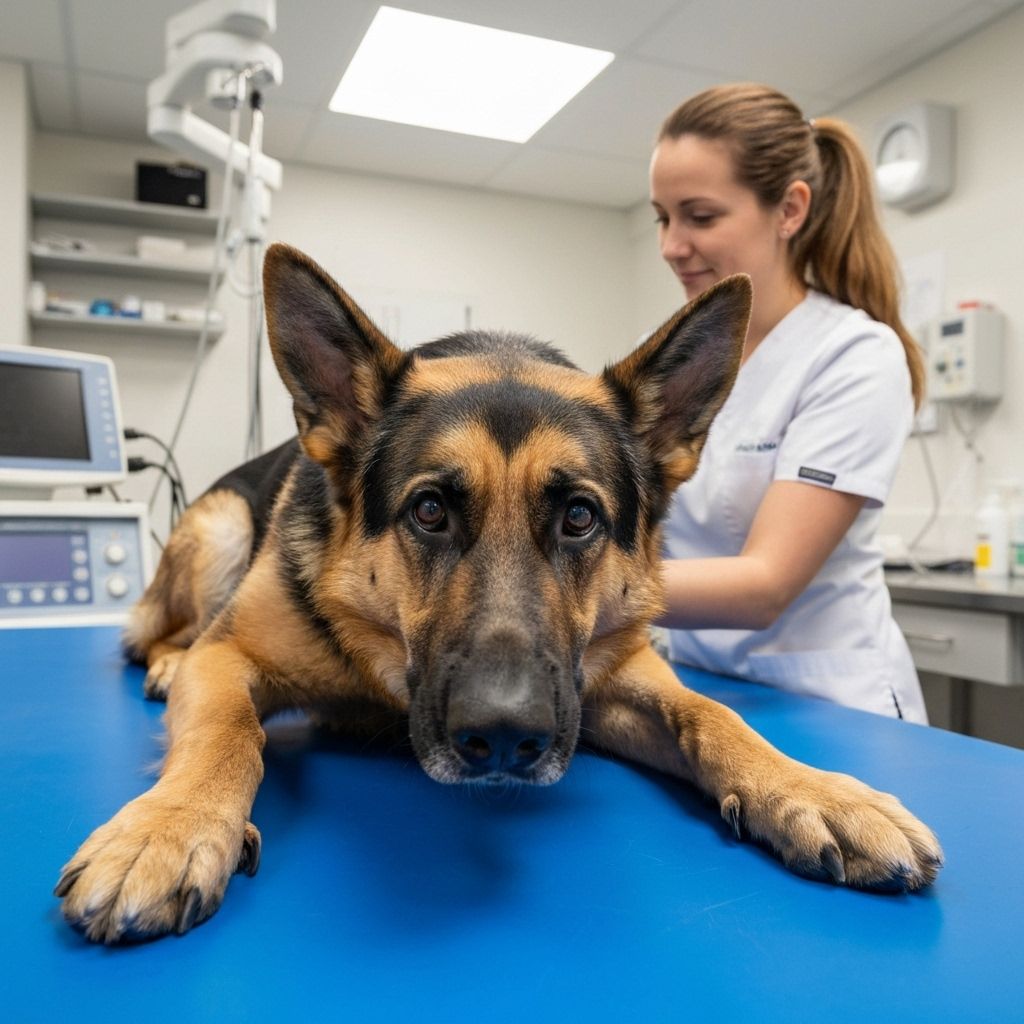
2. Gastric Dilatation-Volvulus (Bloat): A Life-Threatening Emergency
Understanding Bloat
Bloat, or GDV, is a serious condition where the stomach fills with gas and twists on itself, cutting off blood supply. Deep-chested breeds like German Shepherds are at higher risk. Without immediate treatment, bloat is fatal within hours.
⚠️ Emergency Warning Signs
If you notice any of these symptoms, seek emergency veterinary care immediately:
- • Distended, hard abdomen
- • Unproductive retching or vomiting
- • Excessive drooling
- • Restlessness and pacing
- • Rapid, shallow breathing
- • Pale gums
- • Weakness or collapse
Prevention Strategies
- •Feed smaller, frequent meals (2-3 times daily) instead of one large meal
- •Use slow-feed bowls to prevent rapid eating
- •Avoid exercise 1 hour before and 2 hours after meals
- •Limit water intake immediately after eating
- •Reduce stress during feeding time
- •Consider prophylactic gastropexy surgery, especially if your dog has a family history of bloat
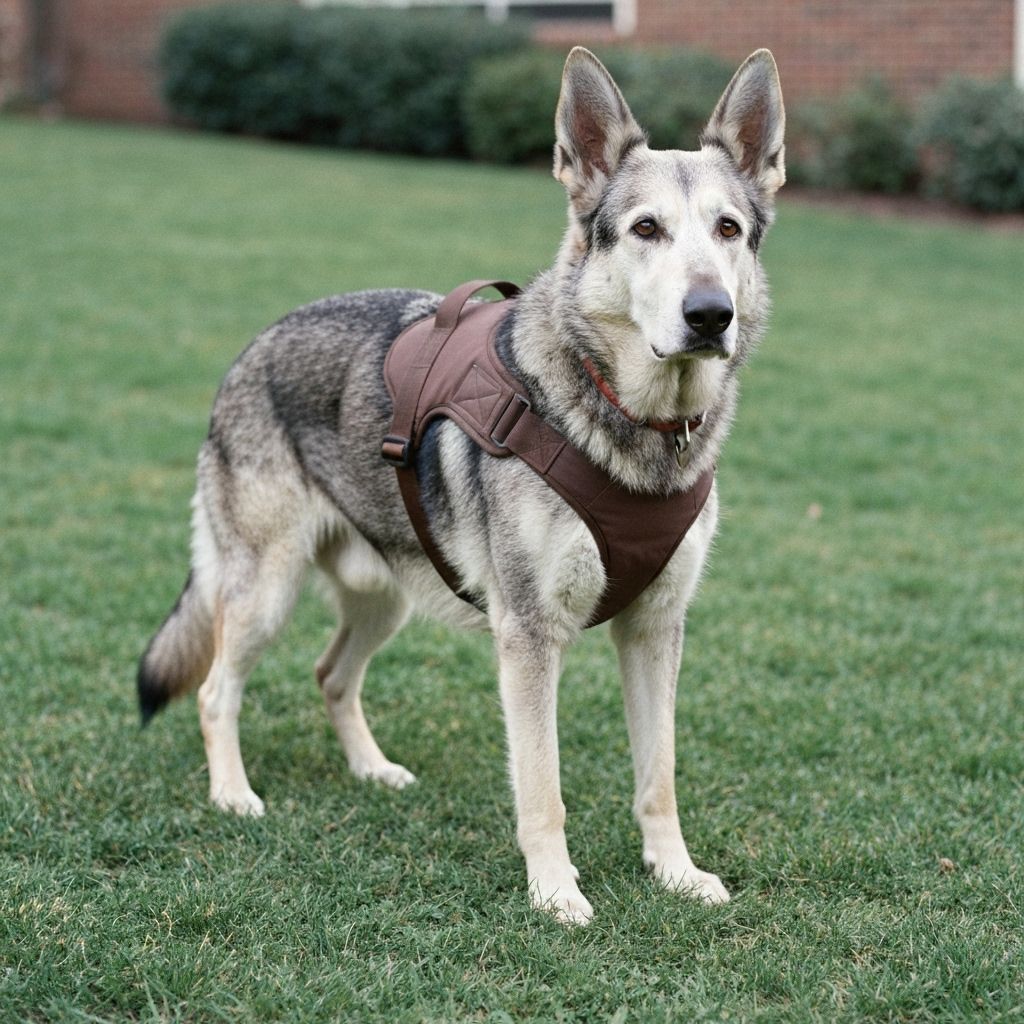
3. Degenerative Myelopathy (DM): Progressive Spinal Cord Disease
What Is DM?
Degenerative myelopathy is a progressive disease of the spinal cord that typically affects German Shepherds between 8-14 years of age. It's similar to ALS (Lou Gehrig's disease) in humans. While DM is not painful, it leads to progressive paralysis of the hind legs.
Early Warning Signs
- •Loss of coordination in the hind legs
- •Dragging rear paws or worn toenails
- •Wobbling or swaying when walking
- •Difficulty standing from a lying position
- •Muscle atrophy in the hind legs
Management and Quality of Life
While there's no cure for DM, several strategies can help maintain quality of life:
- Physical therapy and exercise to maintain muscle mass and mobility
- Mobility aids such as rear-support harnesses and wheelchairs
- Supplements including vitamin E, B-complex, and omega-3 fatty acids
- Home modifications like non-slip flooring and ramps
- Genetic testing available to identify at-risk dogs before breeding
4. Other Important Health Concerns
Elbow Dysplasia
Similar to hip dysplasia, elbow dysplasia involves abnormal development of the elbow joint. It affects approximately 18% of German Shepherds and can cause lameness, pain, and arthritis.
Exocrine Pancreatic Insufficiency (EPI)
EPI occurs when the pancreas doesn't produce enough digestive enzymes. Symptoms include chronic diarrhea, weight loss despite increased appetite, and poor coat condition. Fortunately, EPI is manageable with enzyme supplementation.
Hemangiosarcoma
This aggressive cancer affects blood vessels and is more common in German Shepherds. Early detection is challenging, making regular veterinary checkups crucial for senior dogs.
Allergies
German Shepherds are prone to environmental and food allergies, which can cause skin irritation, itching, and ear infections. Work with your vet to identify triggers and develop a management plan.
Creating a Preventive Health Care Plan
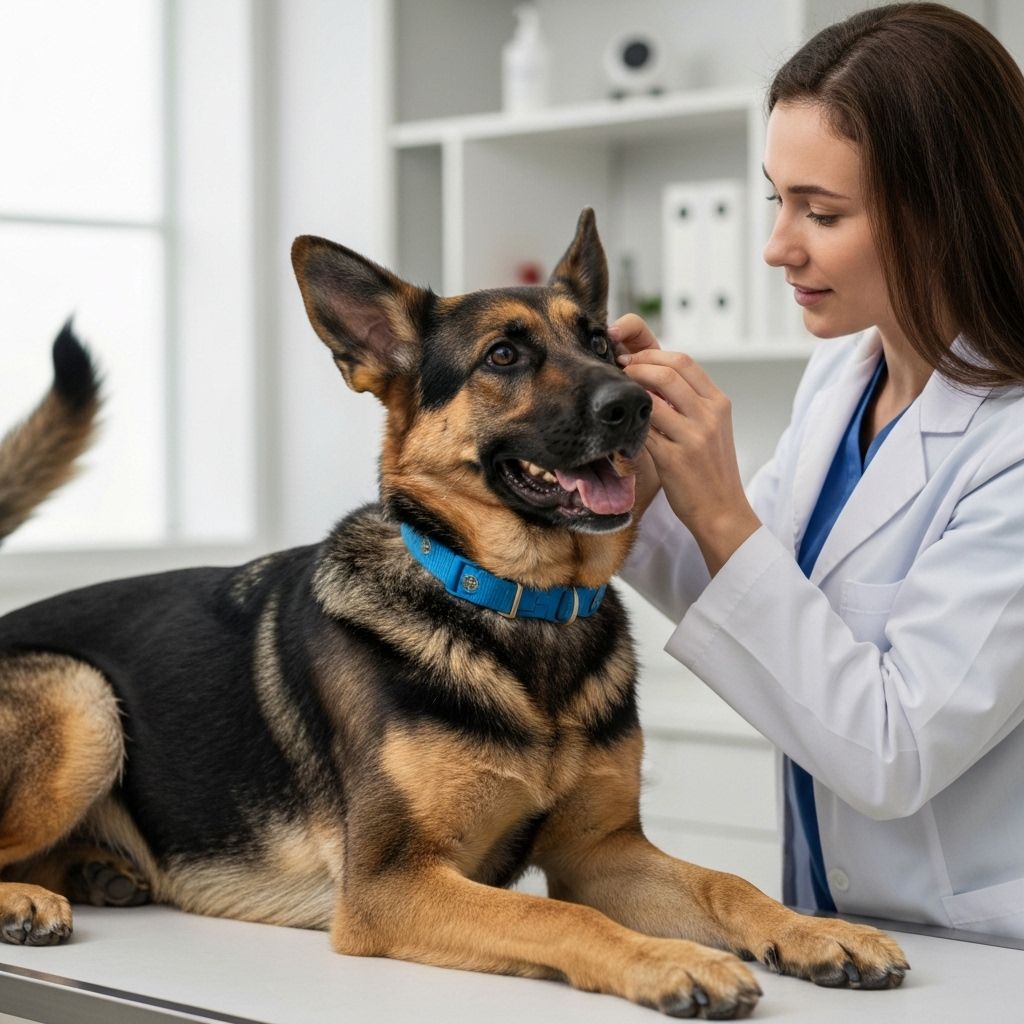
Regular Veterinary Care
- Puppies (8 weeks - 1 year): Monthly visits for vaccinations, deworming, and growth monitoring
- Adults (1-7 years): Annual wellness exams with bloodwork
- Seniors (7+ years): Biannual checkups with comprehensive bloodwork and imaging
Nutrition and Weight Management
Feed a high-quality diet appropriate for your dog's life stage. Maintain a healthy body condition score (you should be able to feel ribs easily but not see them prominently). Obesity significantly increases the risk of joint problems, diabetes, and heart disease.
Exercise and Mental Stimulation
Provide 1-2 hours of daily exercise through walks, play, and training. Mental stimulation through puzzle toys and training exercises is equally important for this intelligent breed.
Dental Care
Brush teeth 2-3 times weekly and schedule professional cleanings as recommended by your vet. Dental disease can lead to serious systemic health problems.
Conclusion
While German Shepherds are predisposed to certain health conditions, awareness and proactive care can make a tremendous difference in your dog's quality of life and longevity. By choosing a responsible breeder, maintaining proper weight, providing appropriate exercise, and establishing a relationship with a trusted veterinarian, you're giving your German Shepherd the best chance at a long, healthy, and happy life.
Remember that early detection is key for most health issues. Stay vigilant for warning signs, don't skip regular checkups, and never hesitate to consult your veterinarian if something seems off. Your German Shepherd depends on you to be their health advocate.
💙 Final Thought
"Early detection and preventive care can add years to your German Shepherd's life. The investment in regular veterinary care and health monitoring pays dividends in the form of more quality time with your loyal companion."