
The Ultimate German Shepherd Training Timeline: 8 Weeks to 2 Years
From 8 weeks to 2 years: a comprehensive month-by-month guide to training milestones and what to expect at each stage of your German Shepherd's development.
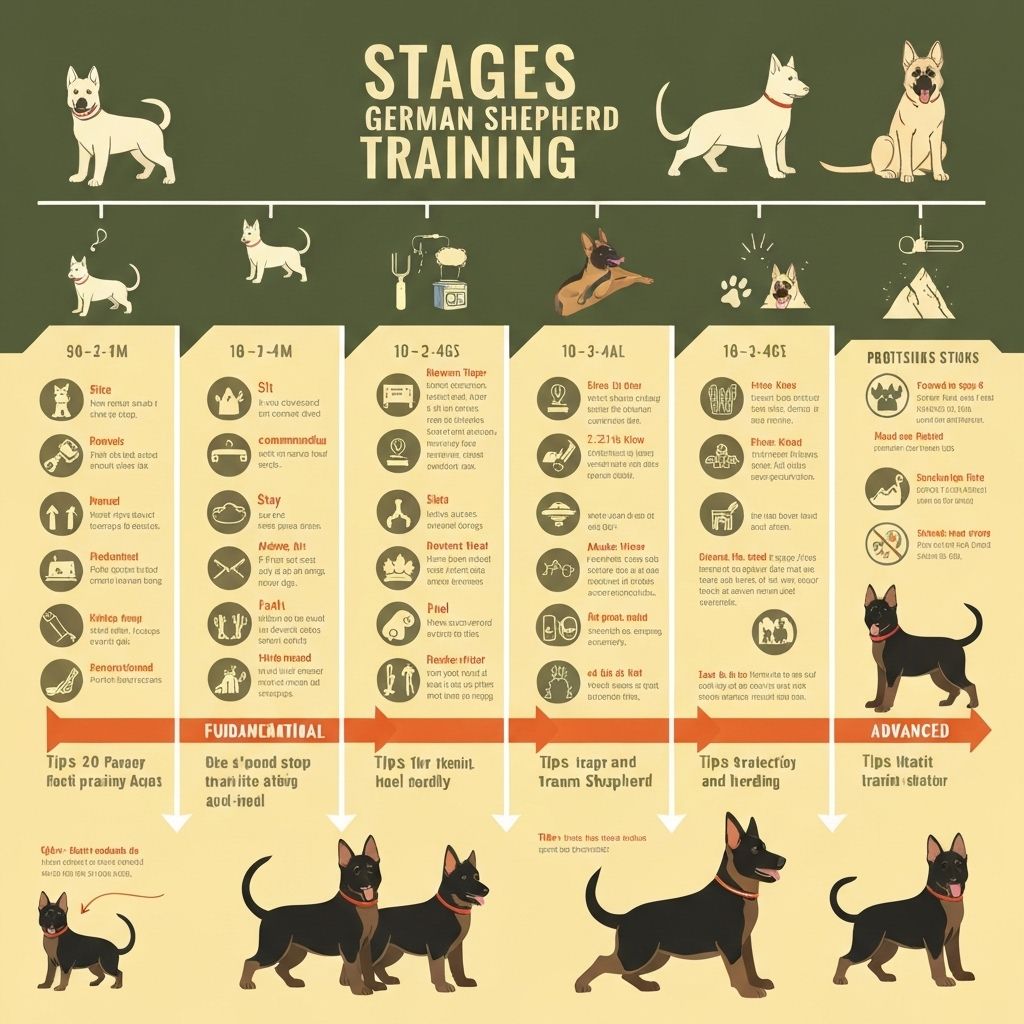
Training a German Shepherd is a journey that evolves as your dog grows and matures. Understanding the developmental stages and appropriate training milestones for each age helps you set realistic expectations and build a strong foundation for lifelong obedience and companionship.
"Consistency and patience are the keys to raising a well-trained German Shepherd. Each developmental stage presents unique opportunities and challenges."
8-12 Weeks: Foundation and Socialization
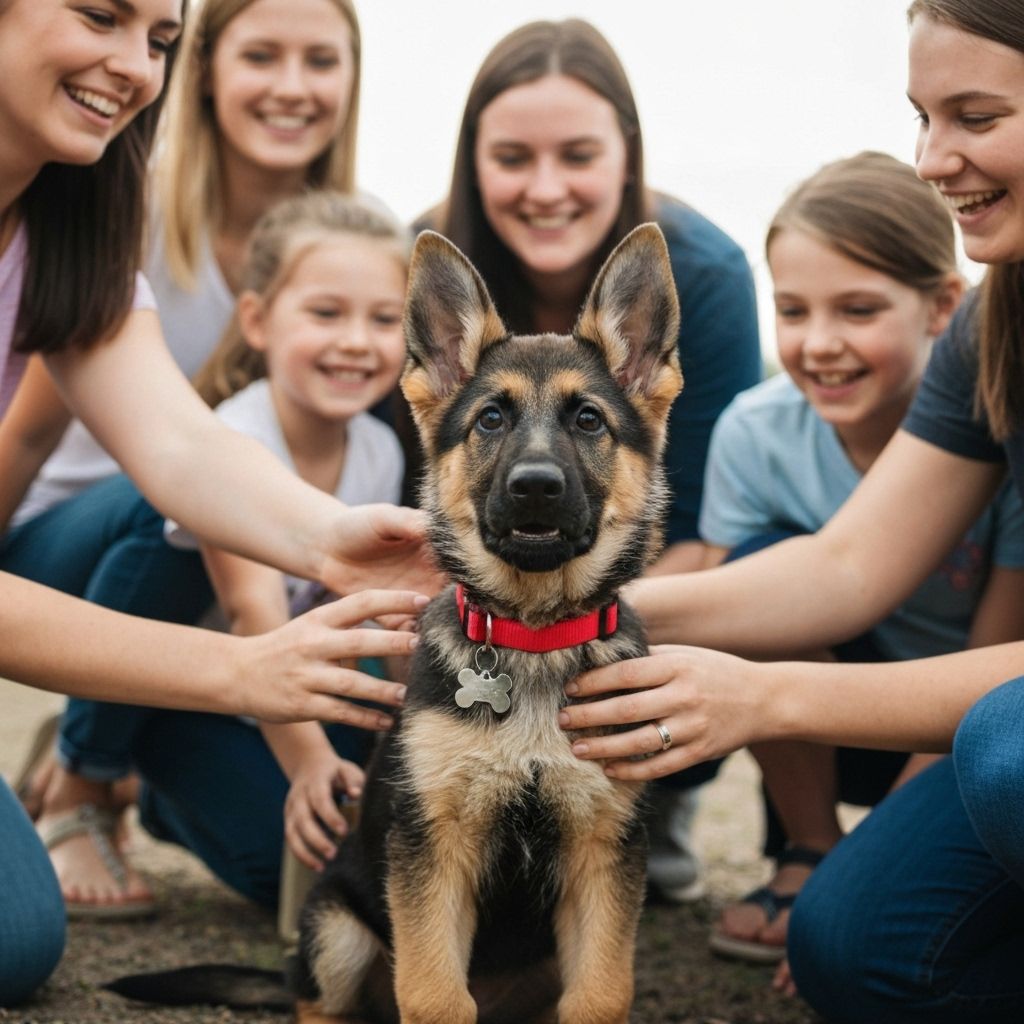
This is the most critical period for socialization and establishing trust. Your puppy's brain is like a sponge, absorbing everything in their environment.
Training Focus
- •Name recognition: Teach your puppy to respond to their name consistently
- •House training basics: Establish a consistent potty schedule every 2-3 hours
- •Crate introduction: Make the crate a positive, safe space for rest
- •Gentle handling: Get puppy comfortable with touching paws, ears, and mouth
- •Socialization: Expose to various people, sounds, and safe environments
Expected Milestones
By 12 weeks, your puppy should recognize their name, understand basic house training concepts, and be comfortable with gentle handling. They should show curiosity rather than fear in new situations.
3-4 Months: Basic Commands and Impulse Control
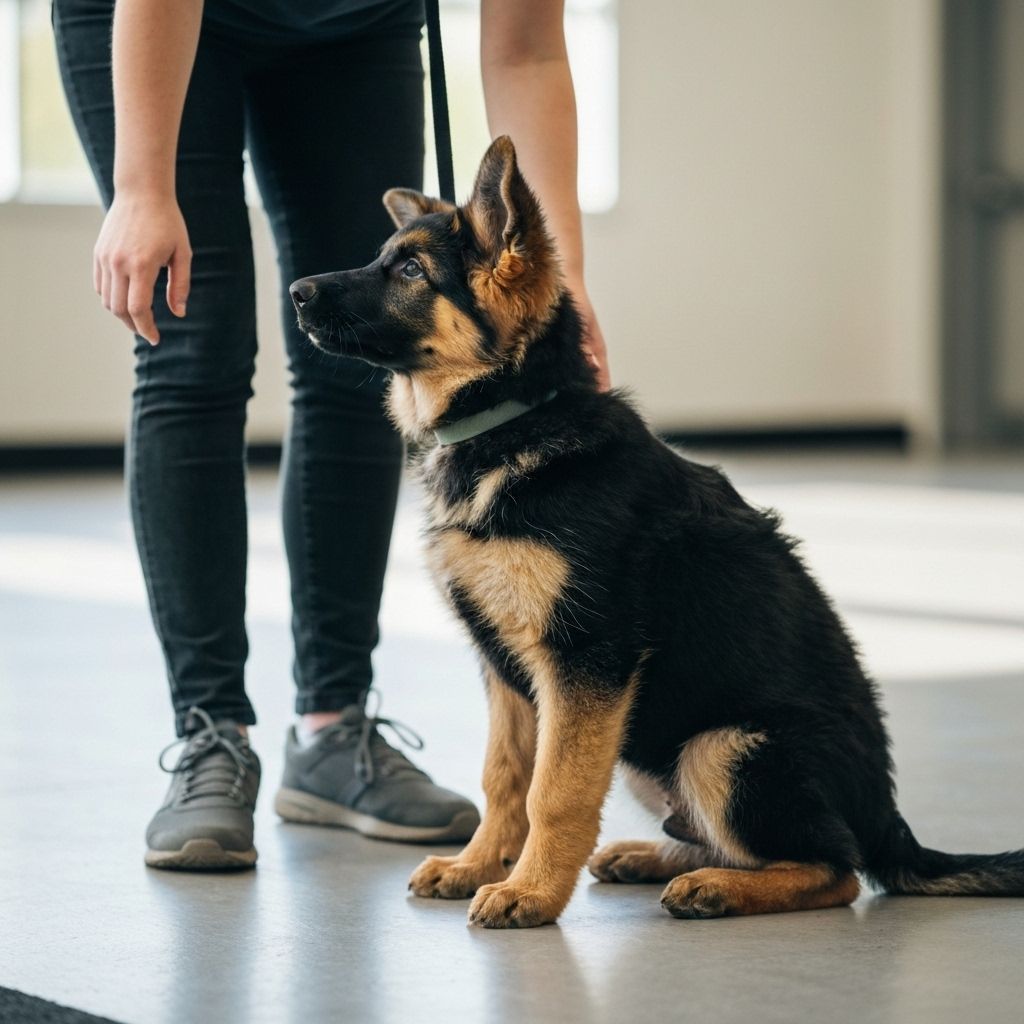
Your puppy's attention span is increasing, making this an ideal time to introduce formal training sessions. Keep sessions short (5-10 minutes) but frequent throughout the day.
Training Focus
- •Sit command: The foundation for all other commands
- •Down command: Teaches patience and impulse control
- •Come/recall: Essential for safety, practice in controlled environments
- •Leave it: Prevents unwanted behaviors and keeps puppy safe
- •Leash introduction: Get comfortable wearing collar and walking on leash
5-6 Months: Adolescence Begins
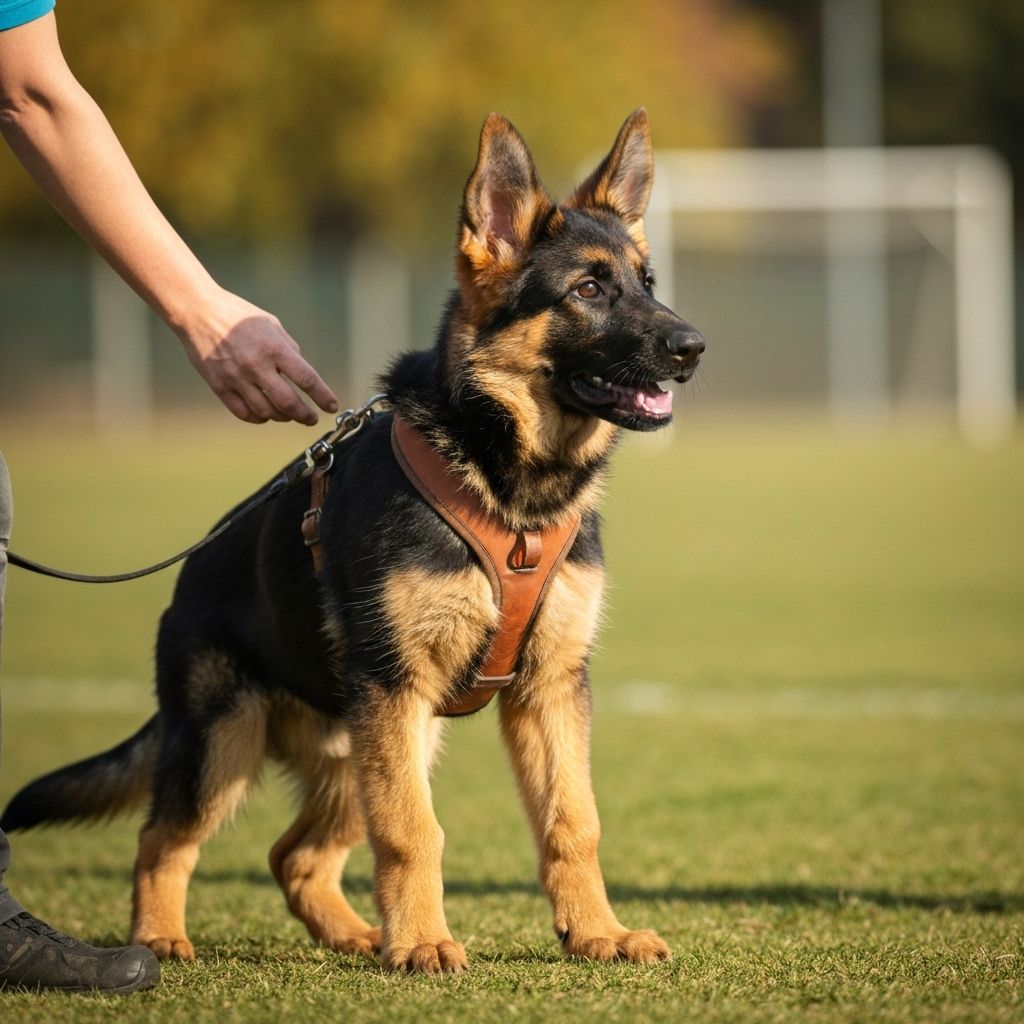
Welcome to the teenage phase! Your puppy may suddenly "forget" commands they knew perfectly. This is normal developmental behavior. Stay consistent and patient.
Training Focus
- •Reinforce basics: Practice all previously learned commands with distractions
- •Stay command: Build duration gradually from seconds to minutes
- •Loose leash walking: Practice heel position and attention during walks
- •Impulse control games: Wait at doors, food bowls, and before play
- •Continued socialization: Maintain exposure to various environments and situations
7-12 Months: Refining Skills and Building Reliability
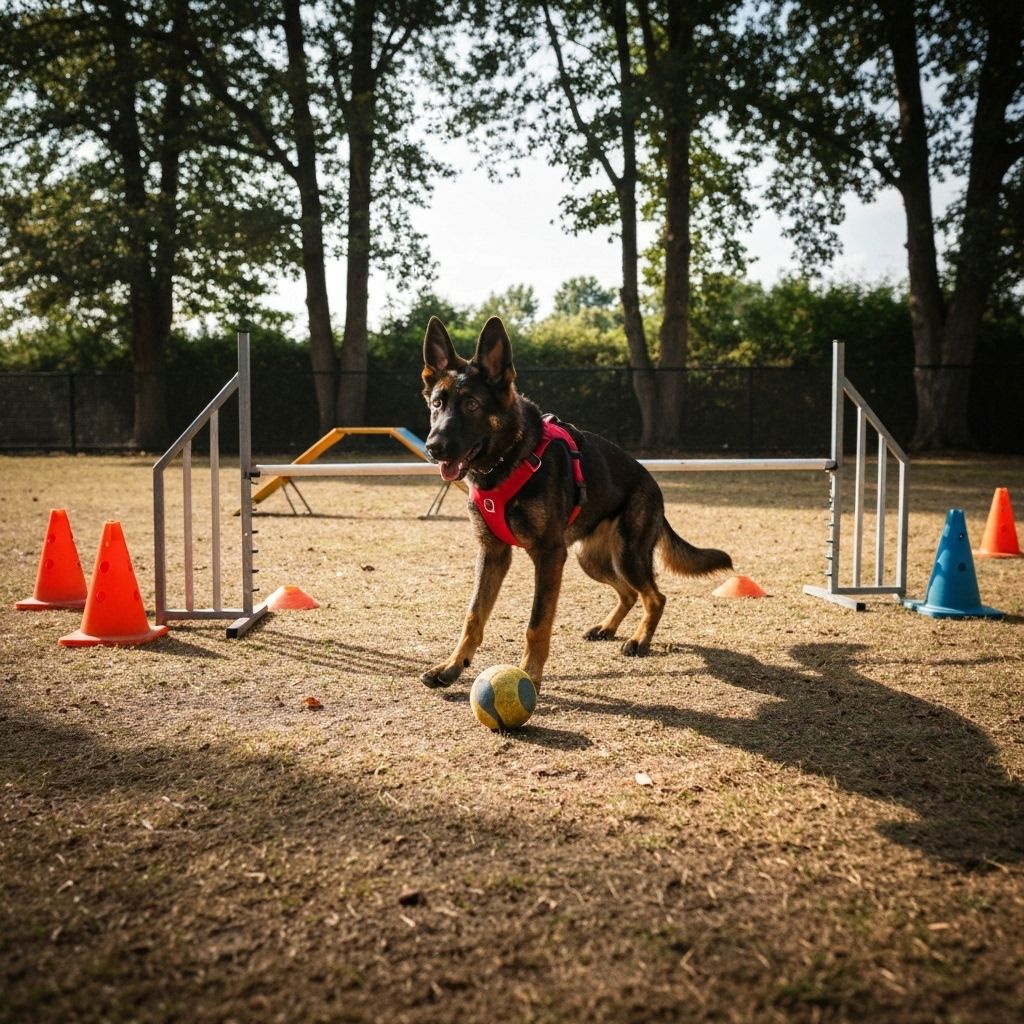
Your German Shepherd is maturing physically and mentally. This is the time to refine obedience and introduce more complex training scenarios.
Training Focus
- •Distance commands: Practice obedience from increasing distances
- •Duration exercises: Extend stay and down-stay to 5+ minutes
- •Distraction training: Practice commands in busy, stimulating environments
- •Off-leash reliability: Begin off-leash work in secure, fenced areas
- •Advanced commands: Introduce place, heel, and directional commands
12-18 Months: Maturity and Consistency
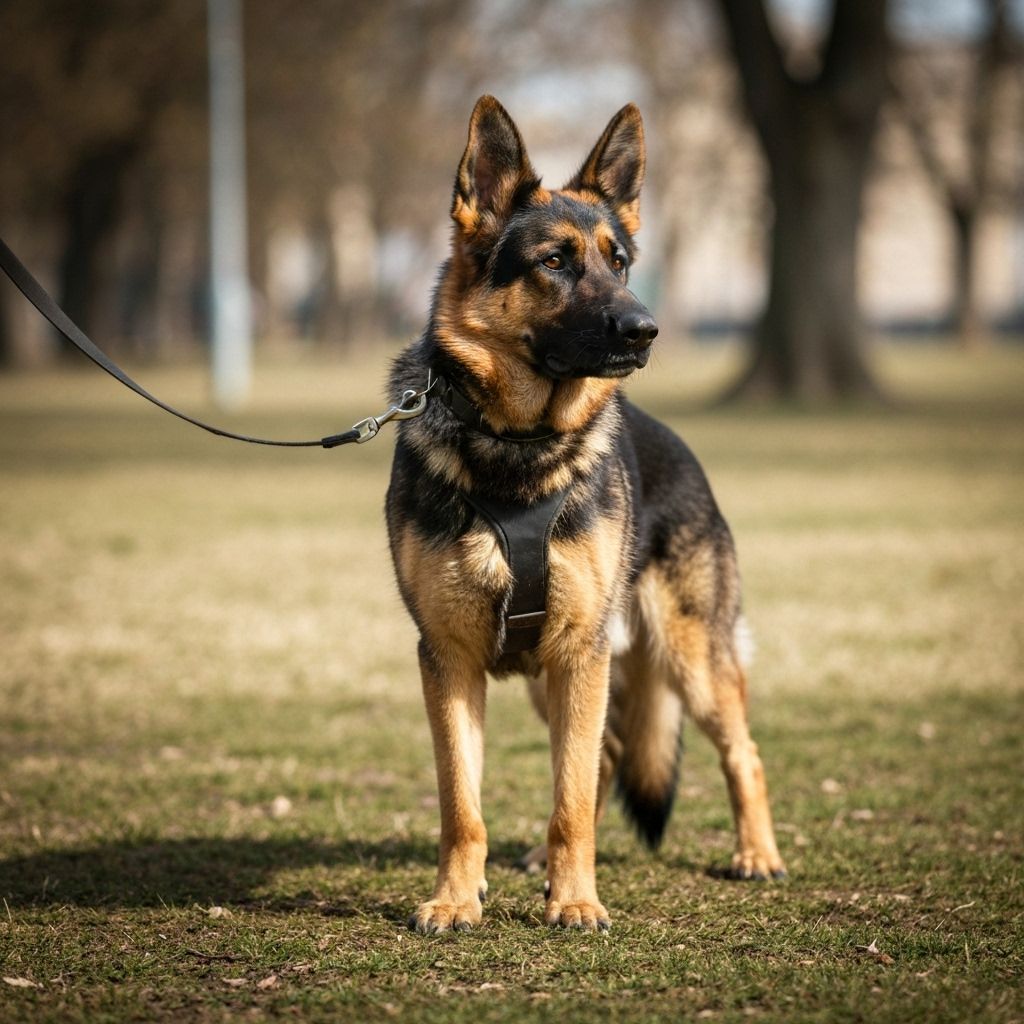
Your German Shepherd is approaching full physical maturity. Mental maturity continues to develop through age 2-3. Maintain consistent training to solidify good habits.
Training Focus
- •Proofing behaviors: Test commands in all environments and situations
- •Real-world application: Practice obedience during daily activities
- •Specialized training: Consider agility, tracking, or protection work
- •Maintenance training: Regular practice sessions to maintain skills
18-24 Months: Full Maturity
By 2 years, your German Shepherd should be a well-trained, reliable companion. Continue lifelong learning and mental stimulation to keep them engaged and happy.
Training Focus
- •Advanced work: Pursue titles in obedience, agility, or other dog sports
- •Continued enrichment: Provide mental challenges and new learning opportunities
- •Maintenance: Regular training sessions to keep skills sharp
Common Training Mistakes
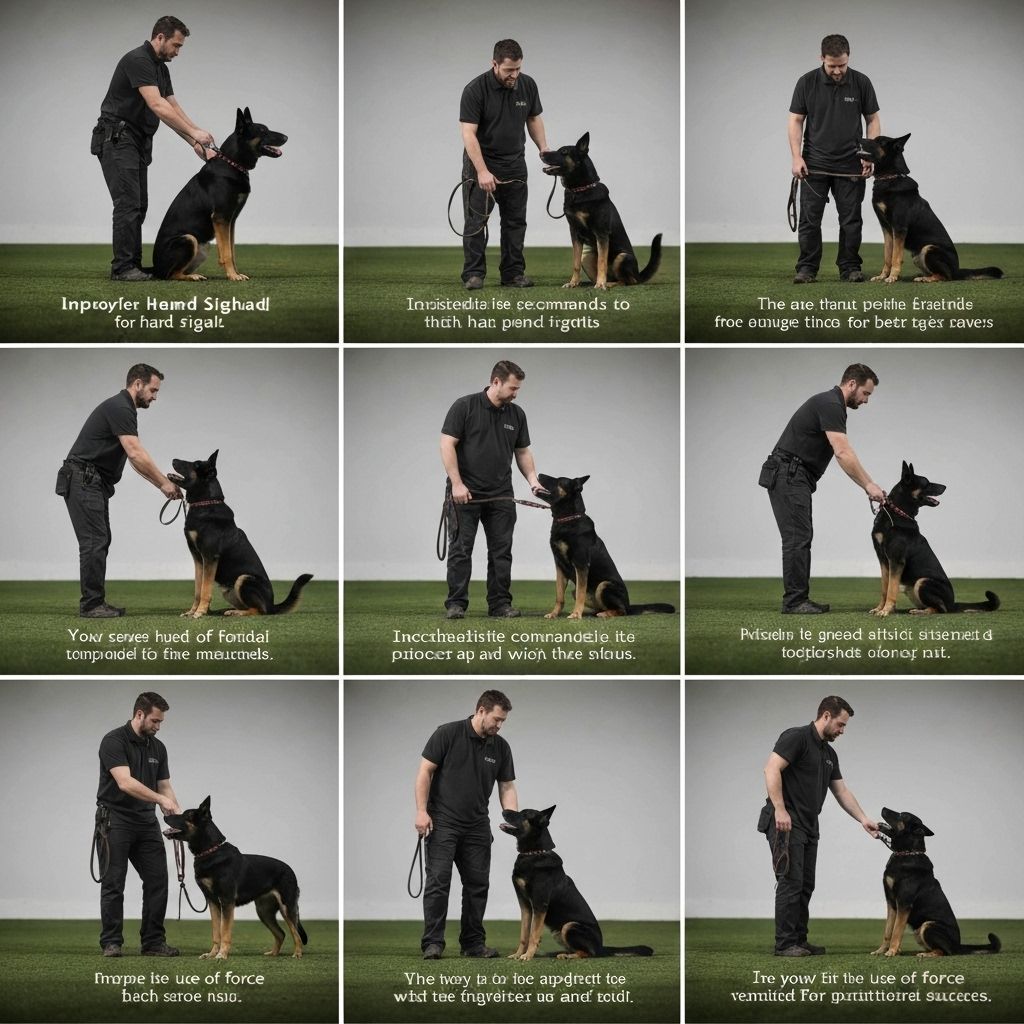
- •Inconsistency: Different rules from different family members confuse your dog
- •Rushing progress: Moving too fast before foundations are solid
- •Inadequate socialization: Missing the critical socialization window
- •Punishment-based methods: Harsh corrections damage trust and confidence
- •Stopping training: Assuming training ends after puppyhood
Conclusion
Training a German Shepherd is a rewarding journey that requires patience, consistency, and understanding of developmental stages. By following this timeline and adjusting to your individual dog's needs, you'll build a strong foundation for a lifetime of companionship and obedience.
Remember that every dog develops at their own pace. Some may progress faster, while others need more time. The key is maintaining consistent, positive training throughout their life. Your German Shepherd will reward your dedication with loyalty, intelligence, and unwavering companionship.