
Socialization Tips for German Shepherds: Complete Guide
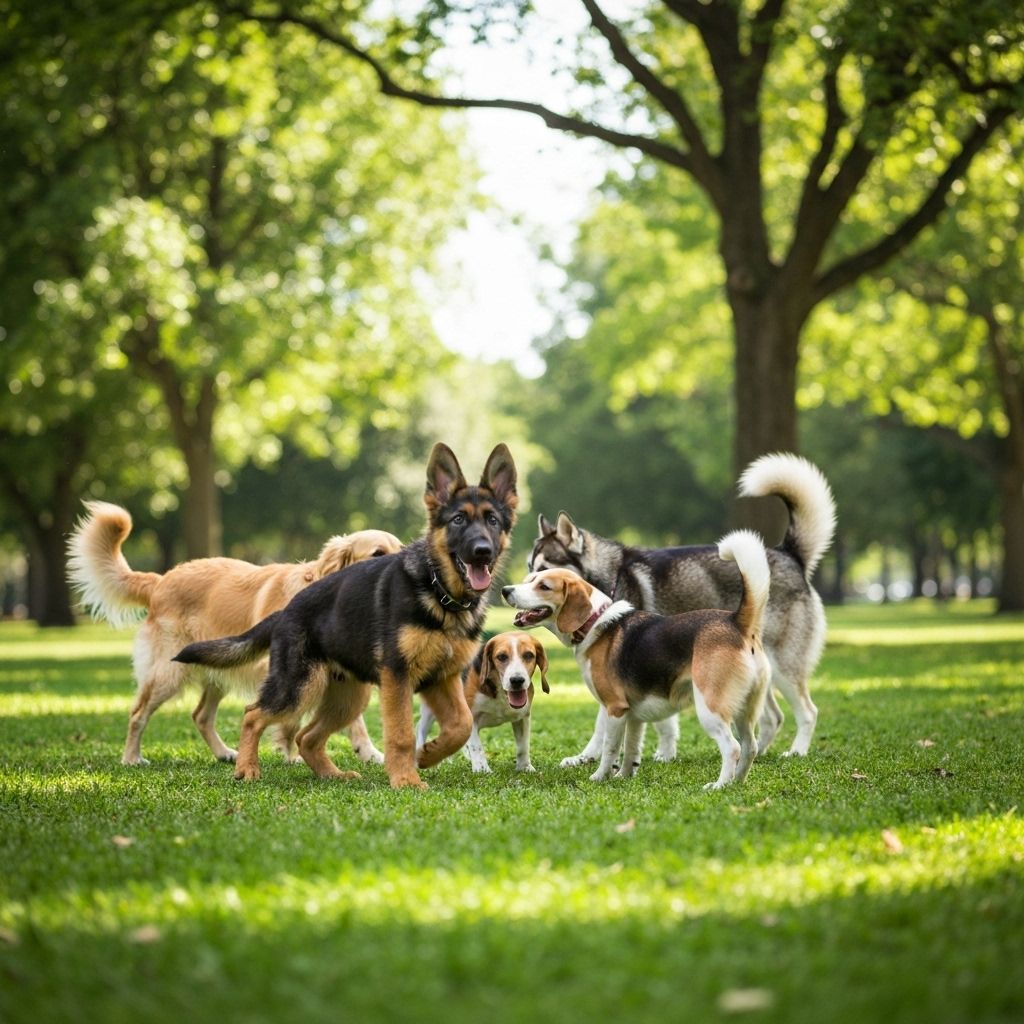
Proper socialization is crucial for German Shepherds to develop into well-adjusted, confident companions. This comprehensive guide covers essential techniques for introducing your German Shepherd to various people, animals, and environments throughout their life.
Understanding the Critical Socialization Period

The critical socialization period for German Shepherds occurs between 3 and 14 weeks of age. During this window, puppies are most receptive to new experiences and form lasting impressions about the world around them.
Why This Period Matters
- •Brain Development: Neural pathways are forming rapidly, making positive experiences especially impactful
- •Fear Prevention: Proper exposure reduces the likelihood of fear-based behaviors later in life
- •Confidence Building: Positive interactions create a foundation of confidence and adaptability
- •Behavioral Foundation: Well-socialized puppies are less likely to develop aggression or anxiety
Socializing with People
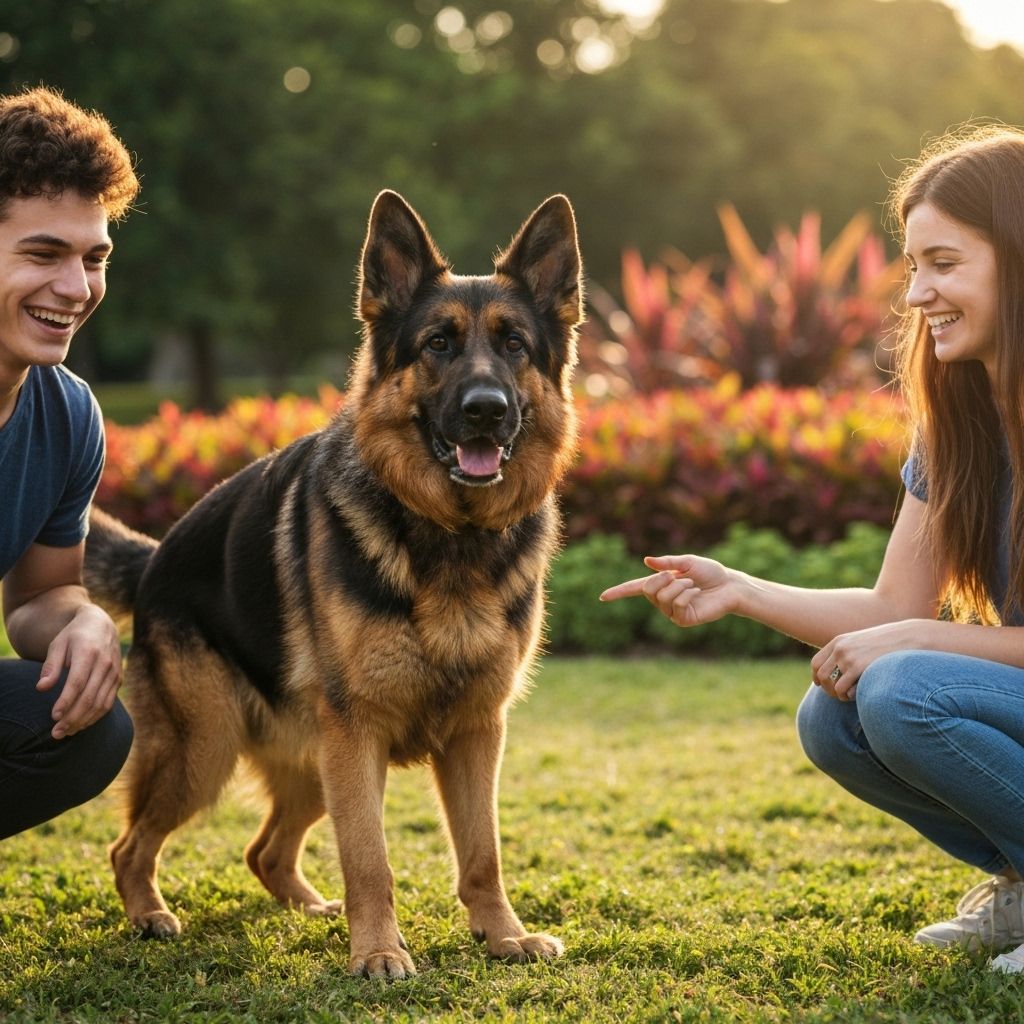
German Shepherds are naturally protective, making proper socialization with people essential for preventing overprotective or fearful behaviors.
Diverse Human Interactions
- •Different Ages: Introduce your dog to babies, children, teenagers, adults, and elderly people
- •Various Appearances: Expose them to people wearing hats, glasses, uniforms, and different clothing styles
- •Different Movements: People using wheelchairs, crutches, strollers, or walking with canes
- •Controlled Settings: Start in calm environments before progressing to busier locations
Pro Tip: Always reward calm, friendly behavior around new people with treats and praise. Never force interactions if your dog shows signs of fear or discomfort.
Introducing to Other Animals
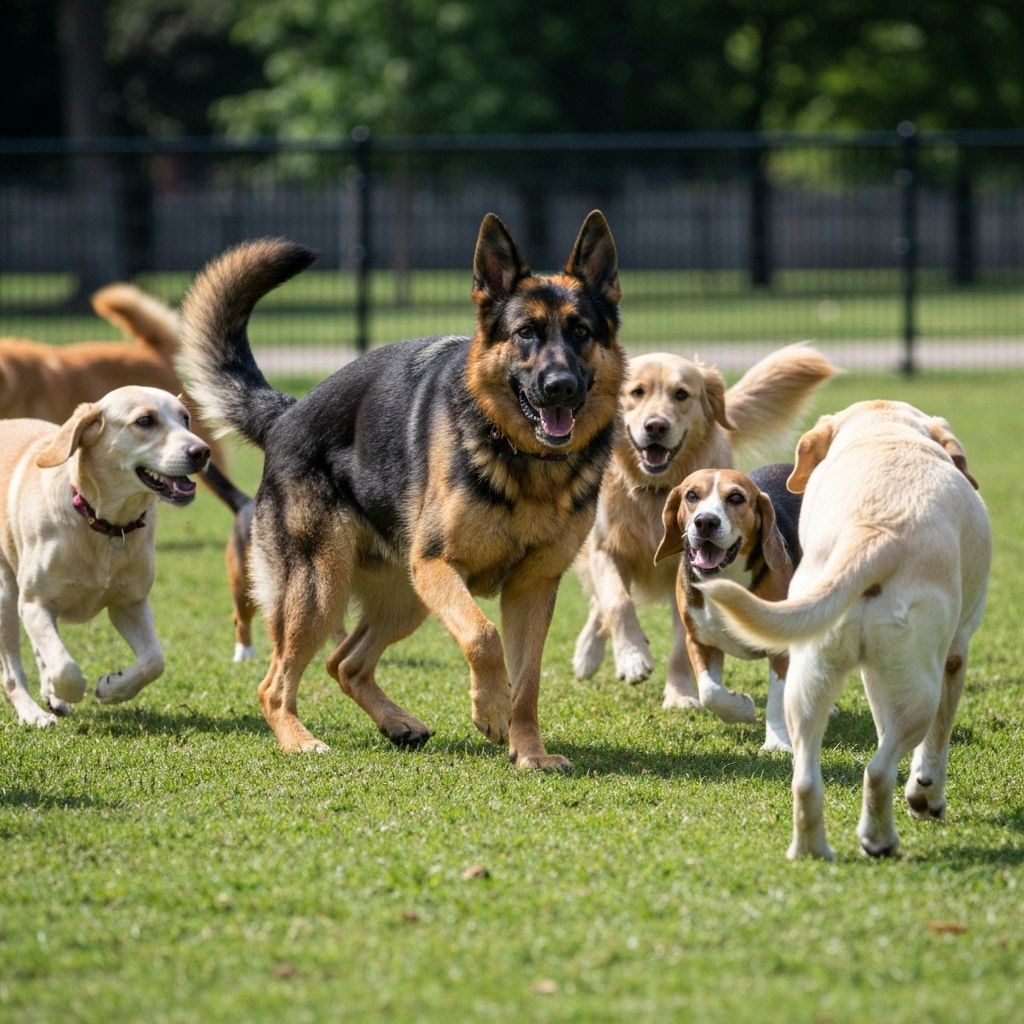
Proper animal socialization helps German Shepherds develop appropriate play behaviors and reduces prey drive issues.
Safe Introduction Techniques
- •Puppy Classes: Enroll in supervised puppy socialization classes with vaccinated dogs
- •Controlled Meetings: Introduce to friendly, well-behaved adult dogs first
- •Size Variety: Expose to dogs of different sizes, from small breeds to large breeds
- •Other Species: Carefully introduce to cats, livestock, and other animals under supervision
- •Positive Associations: Reward calm behavior and appropriate play with treats and praise
Exposure to Different Environments

Environmental socialization helps German Shepherds become confident and adaptable in various settings.
Essential Environments to Explore
- •Urban Settings: Busy streets, sidewalks, traffic, and city noises
- •Natural Areas: Parks, trails, beaches, and different terrain types
- •Public Spaces: Pet-friendly stores, outdoor cafes, and farmers markets
- •Various Surfaces: Grass, concrete, gravel, sand, metal grates, and stairs
- •Different Sounds: Traffic, sirens, construction, thunder, fireworks (recorded at low volume initially)
Common Socialization Mistakes to Avoid

- •Overwhelming Your Dog: Too many new experiences at once can create fear instead of confidence
- •Forcing Interactions: Never force your dog to interact if they show signs of fear or stress
- •Skipping Vaccination Protocols: Wait until your puppy is fully vaccinated before high-risk areas
- •Inconsistent Exposure: Socialization should be ongoing, not just during puppyhood
- •Ignoring Body Language: Learn to read your dog's stress signals and adjust accordingly
Conclusion
Proper socialization is one of the most important investments you can make in your German Shepherd's future. By exposing your dog to diverse people, animals, and environments in a positive, controlled manner, you'll raise a confident, well-adjusted companion.
Remember that socialization is an ongoing process that continues throughout your dog's life. Stay patient, keep experiences positive, and celebrate every small success along the way.