
Managing Hip Dysplasia in German Shepherds: Complete Prevention & Treatment Guide
Hip dysplasia is one of the most common orthopedic conditions affecting German Shepherds. Learn how to recognize early signs, implement prevention strategies, and explore treatment options to ensure your GSD lives a comfortable, active life.
Understanding Hip Dysplasia in German Shepherds
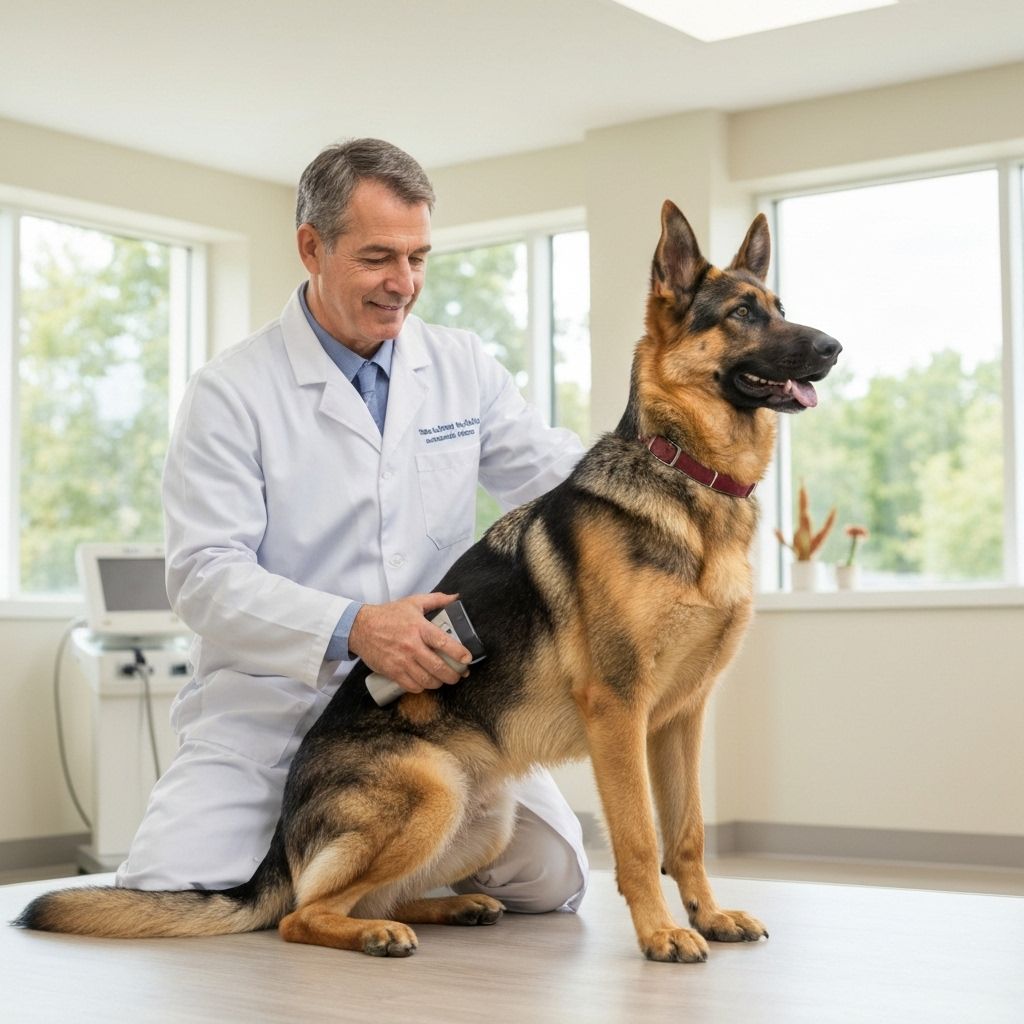
Hip dysplasia is a hereditary condition where the hip joint develops abnormally, causing the ball and socket to fit improperly. This malformation leads to joint instability, cartilage damage, and eventually arthritis. German Shepherds are genetically predisposed to this condition, with studies showing that approximately 19% of the breed is affected.
The condition develops during the growth phase, typically between 4 months and 1 year of age, though symptoms may not appear until later in life. Understanding the mechanics of hip dysplasia helps owners recognize warning signs early and take preventive action.
Key Fact:
Hip dysplasia has both genetic and environmental components. While you cannot change genetics, proper nutrition, weight management, and controlled exercise during puppyhood can significantly reduce severity.
How Hip Dysplasia Develops
In a healthy hip joint, the femoral head (ball) fits snugly into the acetabulum (socket), allowing smooth, pain-free movement. With hip dysplasia, the socket is too shallow or the ball is misshapen, creating excessive movement and friction. Over time, this causes:
- •Cartilage deterioration: Protective cartilage wears down from abnormal stress
- •Inflammation: The body responds with chronic inflammation in the joint
- •Bone remodeling: Abnormal bone growth attempts to stabilize the joint
- •Arthritis development: Progressive degenerative joint disease sets in
Early Signs and Symptoms of Hip Dysplasia
Recognizing hip dysplasia early dramatically improves treatment outcomes. German Shepherd owners should watch for these warning signs, which may appear as early as 4-6 months or develop gradually over years:
Physical Symptoms
- •Difficulty rising: Struggles to stand up from lying down, especially after rest
- •Bunny-hopping gait: Uses both hind legs together when running instead of alternating
- •Narrow stance: Hind legs positioned closer together than normal
- •Muscle atrophy: Visible loss of muscle mass in the hind legs and thighs
- •Audible clicking: Popping or grinding sounds from the hip during movement
- •Swaying walk: Exaggerated hip movement or wobbling when walking
Behavioral Changes
- •Reluctance to exercise: Avoids running, jumping, or playing as before
- •Stair avoidance: Hesitates or refuses to climb stairs or jump into vehicles
- •Decreased activity: Tires easily during walks or play sessions
- •Pain response: Yelps, flinches, or shows aggression when hips are touched
- •Stiffness after rest: Particularly noticeable in the morning or after lying down
⚠️ Important:
If you notice any combination of these symptoms, schedule a veterinary examination immediately. Early intervention can prevent progression and improve your dog's quality of life significantly.
Diagnosis and Screening Methods
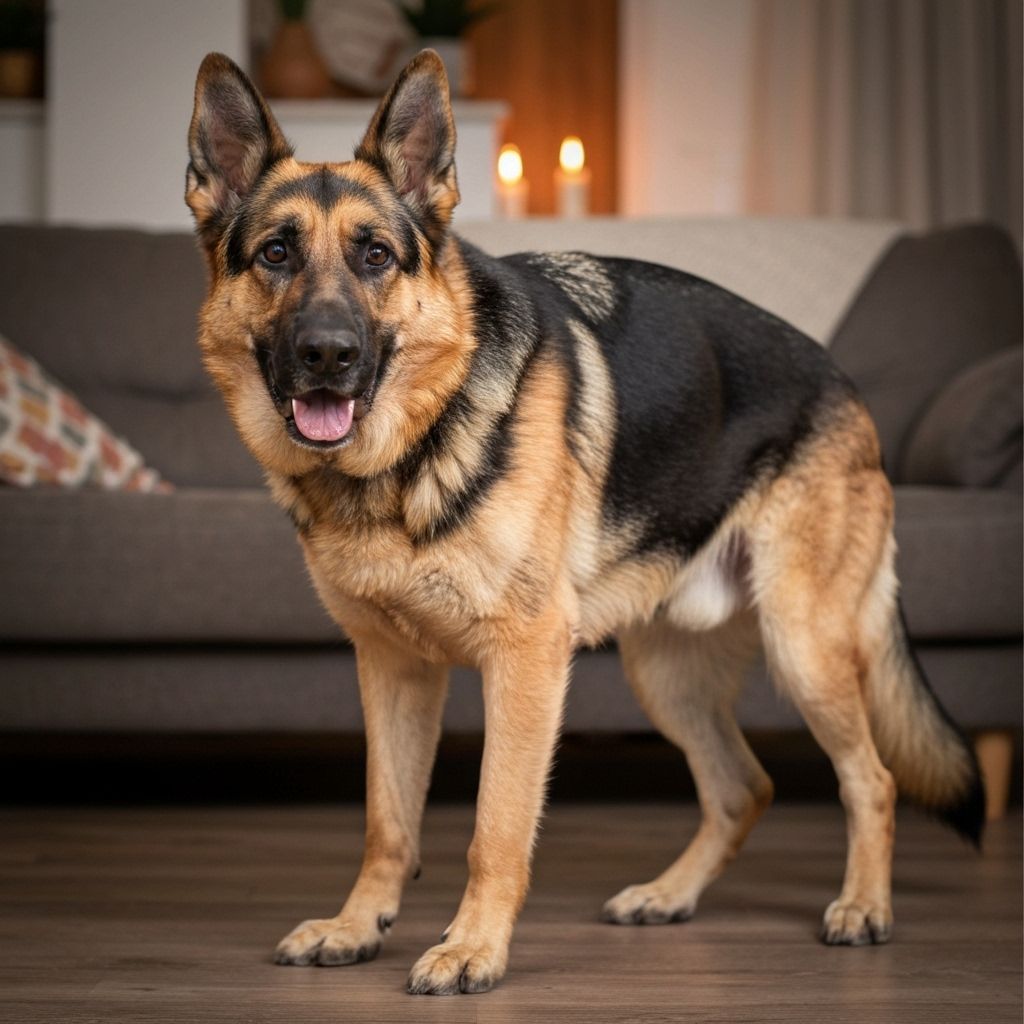
Accurate diagnosis requires professional veterinary evaluation. Several screening methods are available, each with specific advantages for detecting and grading hip dysplasia severity.
Physical Examination
Your veterinarian will perform an orthopedic examination including:
- •Ortolani test: Assesses hip joint laxity by manipulating the femur
- •Range of motion: Evaluates flexibility and identifies pain points
- •Gait analysis: Observes walking and running patterns for abnormalities
- •Muscle assessment: Checks for atrophy or asymmetry in hind leg muscles
Radiographic Evaluation
X-rays remain the gold standard for diagnosing hip dysplasia. Two primary certification methods are used:
OFA (Orthopedic Foundation for Animals)
Standard hip-extended radiographs taken at 24+ months of age. Hips are graded as:
- • Excellent, Good, Fair (passing grades)
- • Borderline (neither pass nor fail)
- • Mild, Moderate, Severe dysplasia (failing grades)
PennHIP
Measures joint laxity using distraction radiography. Can be performed as early as 16 weeks. Provides a Distraction Index (DI) score:
- • 0.30 or lower: Excellent hip conformation
- • 0.30-0.50: Good to fair
- • 0.50-0.70: Mild to moderate laxity
- • Above 0.70: High risk for arthritis development
Advanced Imaging
For complex cases or pre-surgical planning, veterinarians may recommend:
- •CT scans: Provide 3D visualization of bone structure and joint alignment
- •MRI: Evaluates soft tissue damage, cartilage condition, and inflammation
Prevention Strategies for Hip Dysplasia
While genetics play a significant role, environmental factors during puppyhood can influence hip dysplasia development and severity. Implementing these prevention strategies gives your German Shepherd the best chance for healthy hip development.
Responsible Breeding Selection
The most effective prevention starts before your puppy is born. When selecting a German Shepherd puppy:
- •Verify health certifications: Both parents should have OFA or PennHIP evaluations with good scores
- •Review pedigree: Check for hip dysplasia history in grandparents and siblings
- •Choose reputable breeders: Ethical breeders prioritize health testing and genetic diversity
- •Avoid puppy mills: Mass breeding operations rarely conduct proper health screening
Optimal Nutrition During Growth
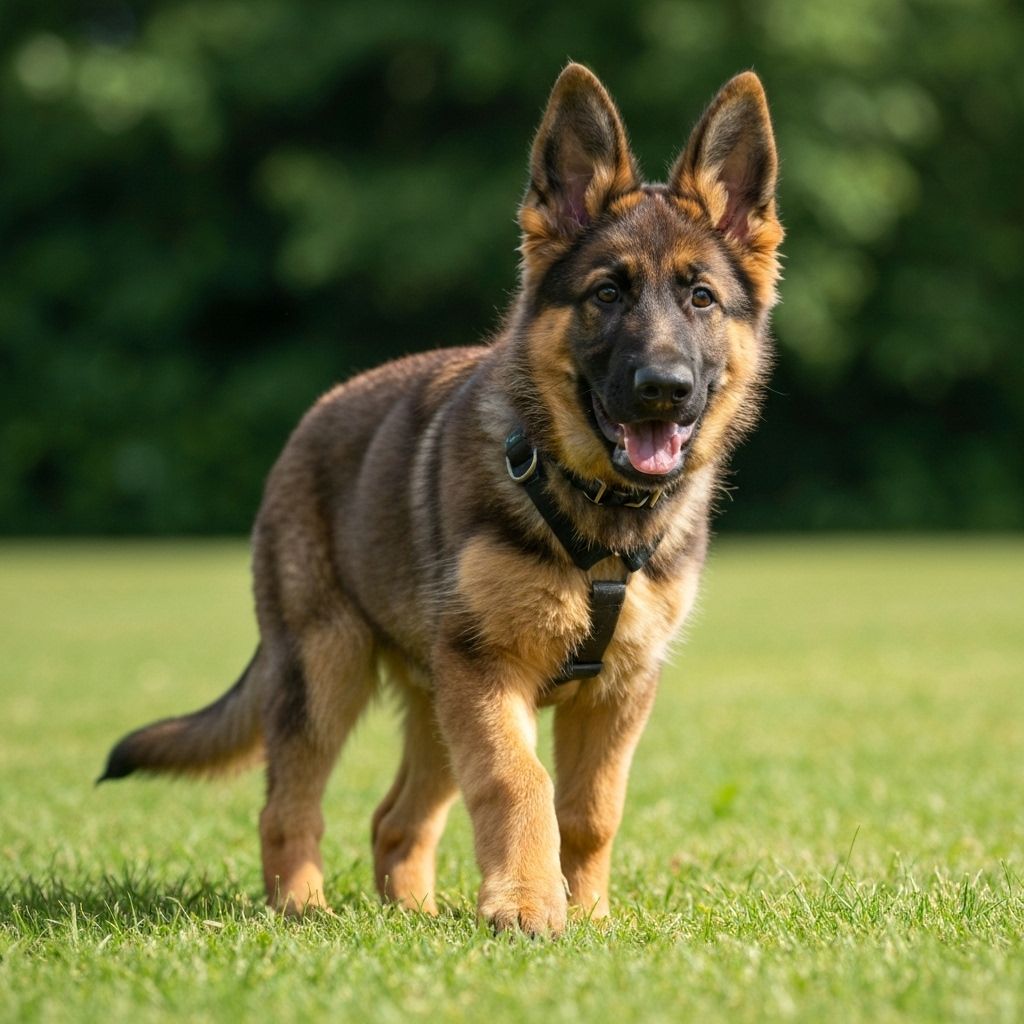
Nutrition during the critical growth period (birth to 18 months) significantly impacts skeletal development:
- •Large breed puppy formula: Specifically formulated to support controlled growth rate
- •Avoid overfeeding: Rapid growth increases stress on developing joints
- •Calcium balance: Too much or too little calcium can harm bone development
- •Omega-3 fatty acids: Support joint health and reduce inflammation
- •Glucosamine and chondroitin: Early supplementation may support cartilage health
Nutrition Tip:
Feed puppies 3-4 times daily with measured portions. Maintain a lean body condition score (ribs easily felt but not visible). Excess weight during growth dramatically increases hip dysplasia risk.
Controlled Exercise Protocol
Exercise management during puppyhood is crucial for healthy joint development:
- •Avoid high-impact activities: No jumping, agility training, or running on hard surfaces before 18 months
- •5-minute rule: Exercise for 5 minutes per month of age, twice daily (e.g., 20 minutes at 4 months)
- •Soft surfaces: Walk on grass, dirt, or sand rather than concrete or asphalt
- •Swimming: Excellent low-impact exercise that builds muscle without joint stress
- •Avoid stairs: Limit stair climbing until growth plates close (around 18 months)
Weight Management
Maintaining optimal weight throughout your German Shepherd's life reduces hip joint stress:
- •Regular weigh-ins: Monitor weight monthly during growth, quarterly as adults
- •Body condition scoring: Aim for 4-5 on a 9-point scale (ribs palpable, visible waist)
- •Portion control: Measure food precisely and adjust based on activity level
- •Limit treats: Keep treats under 10% of daily caloric intake
Treatment Options for Hip Dysplasia
Treatment approaches depend on your dog's age, dysplasia severity, activity level, and overall health. Options range from conservative management to surgical intervention.
Conservative Management
For mild to moderate cases, non-surgical approaches can effectively manage symptoms and slow progression:
Weight Management
Reducing excess weight is the single most effective conservative treatment. Every pound of excess weight adds 4 pounds of pressure on hip joints. Work with your vet to establish a safe weight loss plan if needed.
Physical Therapy
Structured rehabilitation strengthens supporting muscles and improves joint stability:
- • Passive range of motion exercises
- • Controlled leash walking on varied terrain
- • Balance and proprioception training
- • Therapeutic massage to reduce muscle tension
Hydrotherapy
Swimming and underwater treadmill exercise build muscle without joint impact. Water buoyancy reduces weight-bearing stress while resistance strengthens muscles. Many rehabilitation centers offer canine hydrotherapy programs.
Pain Management Medications
Veterinarians may prescribe medications to control pain and inflammation:
- • NSAIDs (Carprofen, Meloxicam): Reduce inflammation and pain
- • Gabapentin: Manages chronic nerve-related pain
- • Tramadol: Provides moderate pain relief
- • Adequan injections: Protects cartilage and reduces inflammation
Joint Supplements
Evidence-based supplements support joint health:
- • Glucosamine & Chondroitin: Building blocks for cartilage repair
- • MSM: Reduces inflammation and supports connective tissue
- • Omega-3 fatty acids (EPA/DHA): Anti-inflammatory properties
- • Green-lipped mussel: Natural source of joint-supporting nutrients
Surgical Options
When conservative management fails to provide adequate relief, surgical intervention may be recommended. The appropriate procedure depends on your dog's age, dysplasia severity, and activity goals.
Juvenile Pubic Symphysiodesis (JPS) - Ages 4-5 months
Minimally invasive procedure performed on young puppies showing early hip laxity. Cauterizes the pubic growth plate, causing the pelvis to rotate and improve hip socket coverage as the puppy grows.
- Best for: Early intervention in at-risk puppies
- Recovery: 2-3 weeks restricted activity
- Success rate: 60-70% improvement when performed at optimal age
- Cost: $1,500-$2,500
Double or Triple Pelvic Osteotomy (DPO/TPO) - Ages 5-10 months
Surgical cuts are made in the pelvis, which is then rotated to improve hip socket coverage. Bones are stabilized with plates and screws while healing.
- Best for: Young dogs with moderate laxity but minimal arthritis
- Recovery: 8-12 weeks with strict exercise restriction
- Success rate: 85-90% good to excellent outcomes
- Cost: $3,000-$5,000 per hip
Femoral Head Ostectomy (FHO) - Any age
Removes the femoral head (ball), allowing a "false joint" of scar tissue to form. Eliminates bone-on-bone pain but doesn't restore normal hip function.
- Best for: Smaller GSDs (under 50 lbs), severe arthritis, or budget constraints
- Recovery: 6-8 weeks with physical therapy
- Success rate: 85-95% pain relief, though some gait abnormality may persist
- Cost: $1,500-$3,000 per hip
Total Hip Replacement (THR) - Ages 10+ months
The gold standard surgical treatment. Replaces the entire hip joint with titanium and polyethylene implants, restoring near-normal function.
- Best for: Severe dysplasia with significant arthritis in active dogs
- Recovery: 12-16 weeks with structured rehabilitation
- Success rate: 90-95% excellent long-term outcomes
- Cost: $4,000-$7,000 per hip
Surgical Decision Factors:
Discuss these factors with your veterinary surgeon: your dog's age, activity level, dysplasia severity, presence of arthritis, your budget, and post-operative care capabilities. Board-certified veterinary surgeons (ACVS) have specialized training in orthopedic procedures.
Living with Hip Dysplasia: Long-Term Management
Many German Shepherds with hip dysplasia live comfortable, active lives with proper management. Focus on these long-term strategies to maximize your dog's quality of life.
Home Environment Modifications
- •Non-slip flooring: Add rugs or yoga mats on slippery surfaces to prevent falls
- •Ramps: Install ramps for vehicles and furniture to eliminate jumping
- •Orthopedic bedding: Provide thick, supportive beds to cushion joints during rest
- •Elevated food bowls: Reduce strain on hips and back during meals
- •Heated beds: Warmth soothes arthritic joints, especially in cold weather
Exercise Guidelines for Dysplastic Dogs
Appropriate exercise maintains muscle mass and joint mobility without causing additional damage:
- •Multiple short walks: 2-3 walks of 15-20 minutes better than one long walk
- •Swimming: Ideal exercise that builds muscle without joint stress
- •Avoid high-impact activities: No running on hard surfaces, jumping, or rough play
- •Mental stimulation: Puzzle toys and training provide enrichment without physical stress
- •Warm-up and cool-down: Gentle movement before and after exercise prevents stiffness
Monitoring and Veterinary Care
- •Regular check-ups: Biannual veterinary examinations to assess progression
- •Pain assessment: Monitor for increased stiffness, reluctance to move, or behavior changes
- •Medication adjustments: Work with your vet to optimize pain management protocols
- •Weight monitoring: Weigh monthly and adjust diet to maintain ideal body condition
Alternative Therapies
Some owners find benefit from complementary treatments (always discuss with your veterinarian first):
- •Acupuncture: May reduce pain and improve mobility in some dogs
- •Laser therapy: Cold laser treatments reduce inflammation and promote healing
- •Chiropractic care: Veterinary chiropractors can address compensatory issues
- •Massage therapy: Reduces muscle tension and improves circulation
Frequently Asked Questions
At what age should I have my German Shepherd screened for hip dysplasia?
PennHIP evaluation can be performed as early as 16 weeks, providing early risk assessment. OFA certification requires dogs to be at least 24 months old for official grading. If your puppy shows any symptoms (difficulty rising, bunny-hopping, reluctance to exercise), schedule a veterinary exam immediately regardless of age.
Can a German Shepherd with hip dysplasia still be active?
Yes, with proper management. Many dogs with mild to moderate hip dysplasia remain active through weight management, appropriate exercise, pain medication, and physical therapy. Swimming, controlled leash walks, and low-impact activities allow exercise without excessive joint stress. Severe cases may require surgical intervention to restore activity levels.
Is hip dysplasia painful for German Shepherds?
Hip dysplasia causes varying degrees of discomfort depending on severity. Mild cases may cause minimal pain, while severe dysplasia with advanced arthritis can be quite painful. Signs of pain include reluctance to move, difficulty rising, decreased activity, and behavioral changes. Modern pain management strategies can effectively control discomfort and maintain quality of life.
How much does hip dysplasia treatment cost?
Costs vary widely based on treatment approach. Conservative management (medications, supplements, physical therapy) typically costs $50-$200 monthly. Surgical options range from $1,500-$3,000 for FHO to $4,000-$7,000 per hip for total hip replacement. Pet insurance may cover portions of treatment costs if purchased before diagnosis. Many veterinary hospitals offer payment plans for surgical procedures.
Should I breed a German Shepherd with hip dysplasia?
No. Responsible breeding practices require health testing and only breeding dogs with good to excellent hip scores. Breeding dysplastic dogs perpetuates the condition in future generations. Ethical breeders prioritize health over appearance or other traits, contributing to overall breed improvement. If you purchased a puppy that develops hip dysplasia, reputable breeders often provide health guarantees and support.
Conclusion
Hip dysplasia is a significant health concern for German Shepherds, but it doesn't have to limit your dog's quality of life. Early detection through screening, preventive strategies during puppyhood, and appropriate treatment when needed can help your GSD live comfortably and actively.
The key to managing hip dysplasia successfully lies in proactive care: choosing puppies from health-tested parents, maintaining optimal weight throughout life, providing appropriate exercise, and working closely with your veterinarian to monitor joint health. Whether through conservative management or surgical intervention, modern veterinary medicine offers effective solutions for dogs at all stages of hip dysplasia.
Remember that every German Shepherd is unique, and treatment plans should be tailored to your dog's specific needs, lifestyle, and dysplasia severity. With dedication to proper management, most dogs with hip dysplasia can enjoy many happy, active years with their families.