
Allergy Management for German Shepherds: Complete Guide to Relief
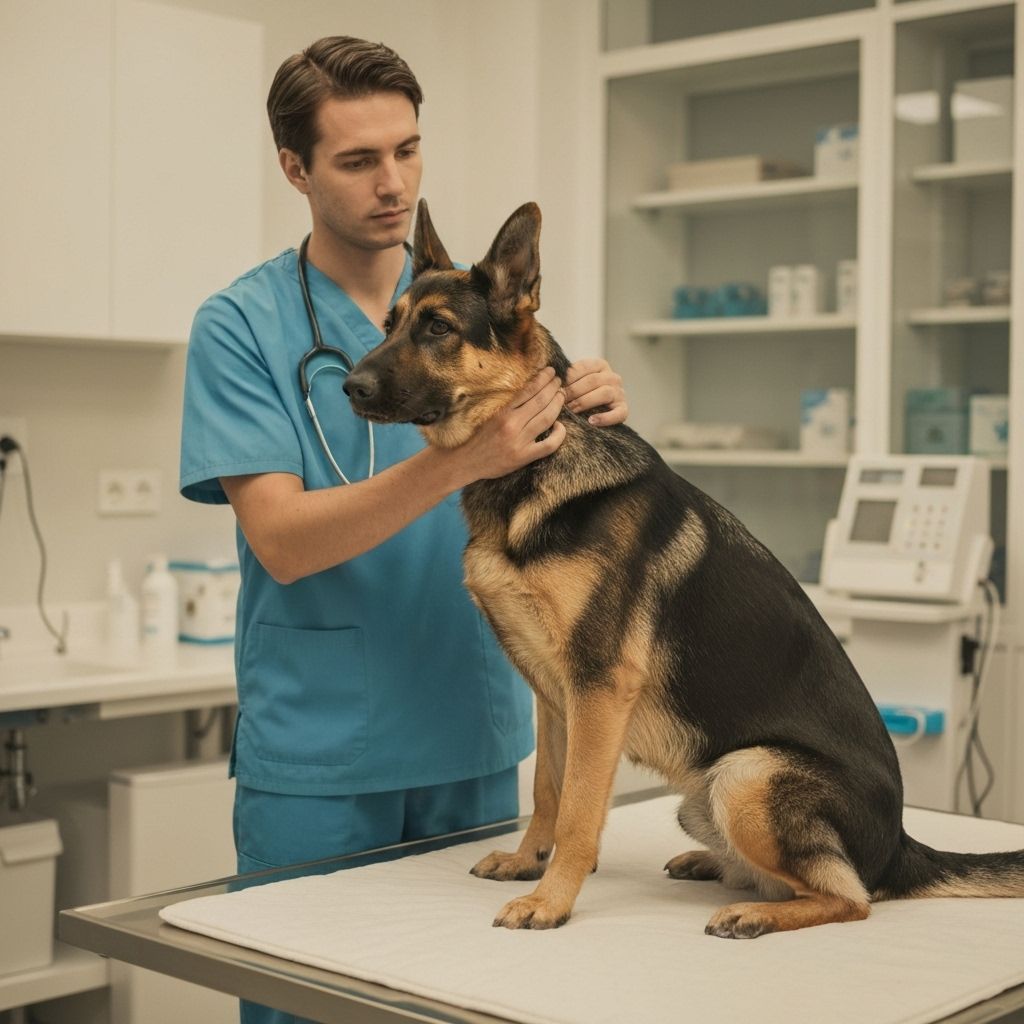
German Shepherds are magnificent dogs, but they're unfortunately prone to various allergies that can significantly impact their quality of life. If you've noticed your GSD constantly scratching, licking their paws, or developing skin issues, allergies might be the culprit. This comprehensive guide will help you identify, manage, and prevent allergic reactions in your German Shepherd.
Allergies in German Shepherds can manifest in multiple ways and stem from various sources. Whether it's food sensitivities, environmental triggers, or contact allergies, understanding the root cause is essential for effective management. With the right approach, most allergic dogs can live comfortable, happy lives.
Understanding Allergies in German Shepherds
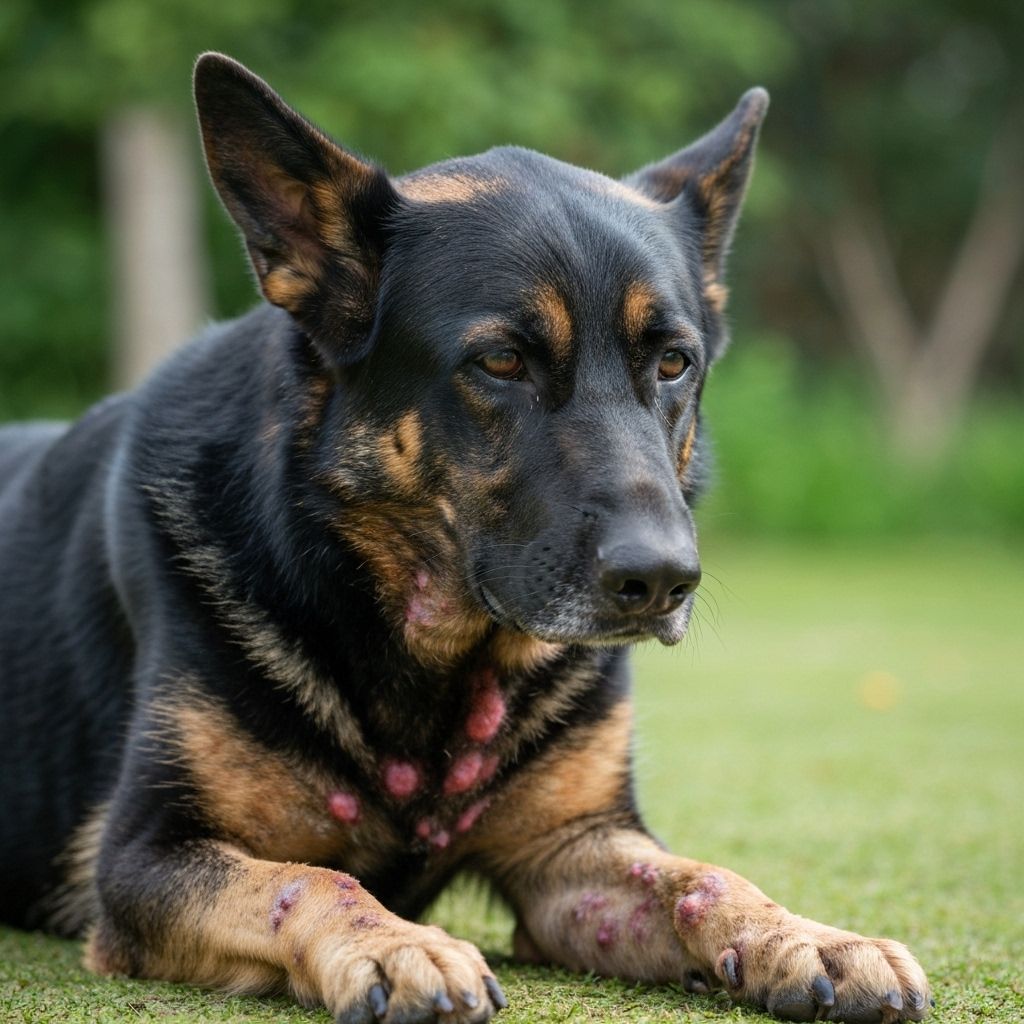
Allergies occur when your dog's immune system overreacts to normally harmless substances called allergens. German Shepherds are genetically predisposed to allergies, making them more susceptible than many other breeds.
Types of Allergies
1. Food Allergies
Food allergies develop when the immune system reacts to specific proteins in your dog's diet. Common triggers include:
- •Chicken and poultry products
- •Beef and beef by-products
- •Dairy products (milk, cheese, yogurt)
- •Wheat, corn, and soy
- •Eggs
2. Environmental Allergies (Atopy)
These allergies are triggered by airborne substances in your dog's environment:
- •Pollen (trees, grass, weeds)
- •Dust mites
- •Mold spores
- •Dander from other animals
3. Flea Allergy Dermatitis (FAD)
Some German Shepherds are hypersensitive to flea saliva. Even a single flea bite can trigger intense itching and skin inflammation that lasts for weeks.
4. Contact Allergies
Direct contact with certain substances can cause localized reactions. Common triggers include certain shampoos, cleaning products, fabrics, plastics, and lawn chemicals.
Recognizing Allergy Symptoms

Early recognition of allergy symptoms is crucial for prompt treatment and preventing complications. German Shepherds with allergies typically display one or more of these signs:
Skin-Related Symptoms
- ✓Excessive scratching, especially face, ears, paws, and belly
- ✓Red, inflamed, or irritated skin
- ✓Hot spots (moist, painful skin lesions)
- ✓Hair loss or thinning coat
- ✓Dry, flaky skin or dandruff
- ✓Skin infections (bacterial or yeast)
Other Common Signs
- ✓Chronic ear infections
- ✓Excessive paw licking or chewing
- ✓Watery, red eyes
- ✓Sneezing or respiratory issues
- ✓Digestive problems (vomiting, diarrhea)
- ✓Rubbing face on carpet or furniture
⚠️When to Seek Immediate Veterinary Care
Contact your veterinarian immediately if you notice:
- • Severe swelling of the face, lips, or throat
- • Difficulty breathing or wheezing
- • Collapse or extreme lethargy
- • Severe skin infections with pus or bleeding
Diagnosing Allergies
Proper diagnosis is essential for effective allergy management. Your veterinarian will use several methods to identify the specific allergens affecting your German Shepherd:
Elimination Diet Trial (For Food Allergies)
This is the gold standard for diagnosing food allergies. The process involves:
- 1.Elimination Phase (8-12 weeks): Feed a novel protein diet (protein your dog has never eaten) or hydrolyzed protein diet exclusively. No treats, table scraps, or flavored medications.
- 2.Challenge Phase: Once symptoms improve, gradually reintroduce old foods one at a time to identify specific triggers.
- 3.Maintenance: Avoid identified allergens permanently and maintain a diet that keeps your dog symptom-free.
Intradermal Skin Testing (For Environmental Allergies)
Small amounts of common allergens are injected under the skin to identify specific environmental triggers. This test is highly accurate and helps create customized immunotherapy treatments.
Blood Allergy Testing
Serum allergy tests measure antibody levels to various allergens. While less accurate than skin testing, they're useful when skin testing isn't feasible.
Effective Treatment Strategies
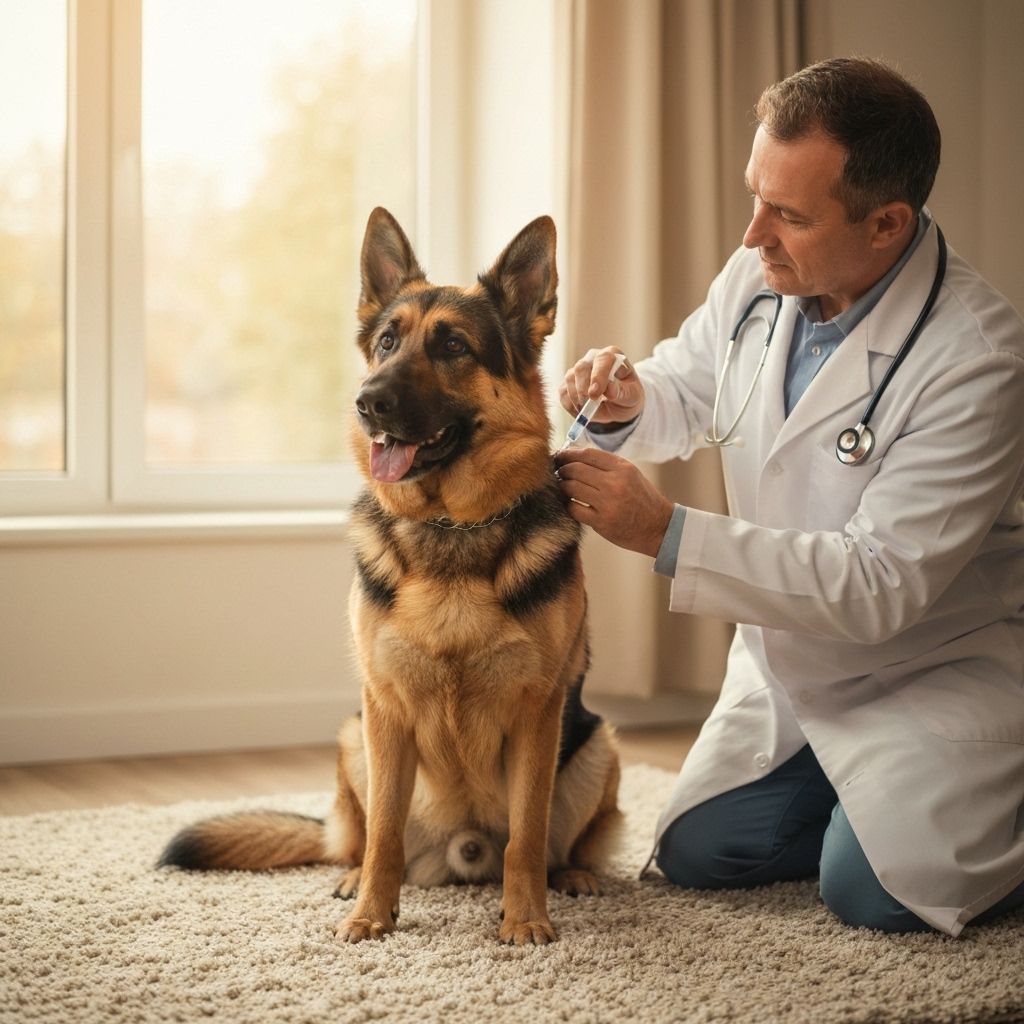
Managing allergies in German Shepherds requires a multi-faceted approach. The most effective treatment plan combines several strategies tailored to your dog's specific needs:
1. Dietary Management (For Food Allergies)
Limited Ingredient Diets (LID)
Choose foods with minimal ingredients and a single novel protein source:
- • Novel proteins: Duck, venison, rabbit, kangaroo, or fish
- • Single carbohydrate source: Sweet potato, pumpkin, or peas
- • No artificial additives, colors, or preservatives
Hydrolyzed Protein Diets
Prescription diets where proteins are broken down into tiny molecules that don't trigger immune responses. These are highly effective for severe food allergies.
2. Medications
Antihistamines
Help reduce itching and inflammation. Common options include diphenhydramine (Benadryl), cetirizine (Zyrtec), and loratadine (Claritin). Always consult your vet for proper dosing.
Corticosteroids
Powerful anti-inflammatory medications for severe cases. Used short-term due to potential side effects with long-term use.
Apoquel or Cytopoint
Modern medications that target specific itch pathways without the side effects of steroids. Highly effective for environmental allergies.
Antibiotics and Antifungals
Treat secondary skin infections that commonly develop from chronic scratching and inflammation.
3. Immunotherapy (Allergy Shots)
For environmental allergies, immunotherapy gradually desensitizes your dog's immune system to specific allergens. This long-term treatment can significantly reduce or eliminate symptoms in 60-80% of dogs.
Timeline: Requires 6-12 months to see full benefits, but many dogs show improvement within 3-6 months. Treatment typically continues for life.
4. Topical Treatments
- •Medicated Shampoos: Oatmeal, aloe, or chlorhexidine shampoos soothe skin and remove allergens
- •Topical Sprays: Hydrocortisone or antimicrobial sprays for localized relief
- •Paw Soaks: Epsom salt or chlorhexidine soaks for itchy paws
Prevention and Long-Term Management
While allergies can't be cured, you can significantly reduce symptoms and improve your German Shepherd's quality of life with these preventive measures:
Environmental Control
- ✓Use HEPA air filters in your home
- ✓Wash bedding weekly in hot water
- ✓Vacuum frequently with HEPA filter
- ✓Wipe paws after outdoor walks
- ✓Keep grass short and remove weeds
- ✓Avoid walking during high pollen times
Grooming and Hygiene
- ✓Bathe every 1-2 weeks with hypoallergenic shampoo
- ✓Brush coat daily to remove allergens
- ✓Clean ears weekly to prevent infections
- ✓Trim hair between paw pads
- ✓Use hypoallergenic grooming products
Supplements for Allergy Support
These supplements can help support skin health and reduce inflammation:
- • Omega-3 fatty acids (fish oil) - reduces inflammation and supports skin barrier
- • Probiotics - supports gut health and immune function
- • Quercetin - natural antihistamine with anti-inflammatory properties
- • Vitamin E - antioxidant that supports skin health
Always consult your veterinarian before starting any supplement regimen.
Common Mistakes to Avoid
❌ Giving Up Too Soon on Elimination Diets
Food allergy trials require strict adherence for 8-12 weeks. Many owners give up after a few weeks, missing the opportunity for accurate diagnosis.
❌ Using Human Medications Without Vet Approval
Some human medications are toxic to dogs. Always consult your veterinarian before giving any medication, even over-the-counter antihistamines.
❌ Ignoring Secondary Infections
Chronic scratching leads to skin infections that require separate treatment. Treating only the allergy without addressing infections won't resolve symptoms.
❌ Over-Bathing
While regular bathing helps, excessive bathing strips natural oils and can worsen skin problems. Stick to recommended bathing schedules with appropriate shampoos.

Dr. Lisa Thompson
DVM, Veterinary Dermatologist
Dr. Thompson is a board-certified veterinary dermatologist with over 15 years of experience treating allergies and skin conditions in dogs. She specializes in immunotherapy and has helped thousands of German Shepherds achieve relief from chronic allergies.
Conclusion
Managing allergies in German Shepherds requires patience, dedication, and a comprehensive approach. While allergies can't be cured, they can be effectively controlled with proper diagnosis, treatment, and preventive care. Most allergic dogs can live comfortable, happy lives with the right management plan.
Remember that every dog is unique, and what works for one may not work for another. Work closely with your veterinarian to develop a customized treatment plan tailored to your German Shepherd's specific needs. With consistent care and monitoring, you can help your GSD enjoy relief from allergies and maintain excellent quality of life.
For more information on keeping your German Shepherd healthy, explore our guides on nutrition and diet planning, grooming techniques, and overall health care.